
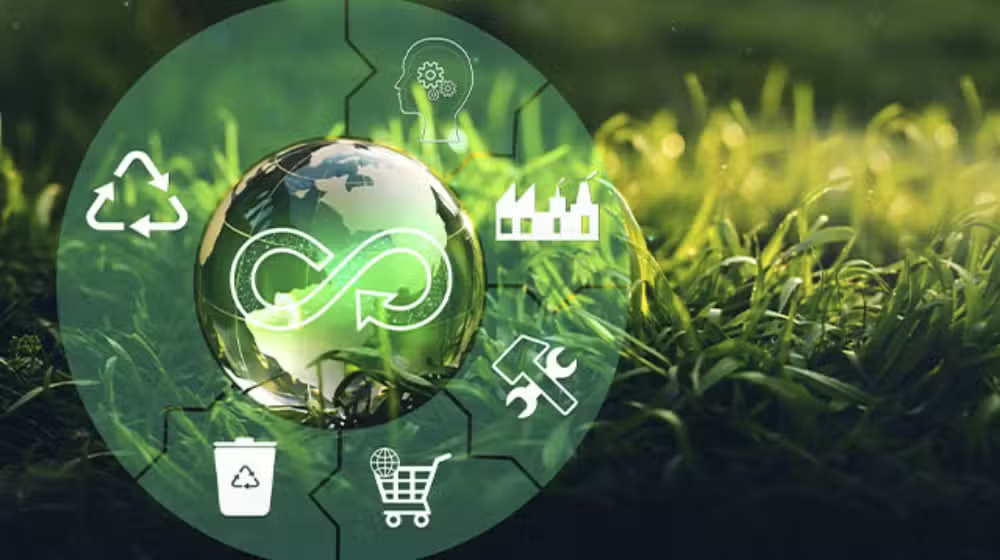
The government of Pakistan has taken a major step toward sustainable energy development by forming a high-level task force to draft the country’s first national policy on waste-to-energy projects. The initiative has been approved under the direction of Prime Minister Shehbaz Sharif as part of broader efforts to address both energy shortages and growing urban waste challenges.
According to an official statement issued by the Prime Minister’s Office, the newly established task force will design a comprehensive framework aimed at converting municipal and industrial waste into usable energy. This move is expected to support long-term energy diversification while also improving waste management systems across major cities.
The policy development process will focus on encouraging private sector participation, both domestic and international, to accelerate investment in the waste-to-energy sector. Officials believe that structured incentives and a clear regulatory framework will help attract investors and technology providers to develop modern energy recovery plants in Pakistan.
The proposed strategy is expected to include institutional reforms, technical guidelines, and a roadmap for implementation across provinces. Authorities have emphasized that coordination between federal and provincial institutions will be essential for the success of such projects, especially in densely populated urban centres where waste generation continues to rise.
Experts describe waste-to-energy as a practical solution for countries facing dual challenges of energy shortages and poor waste disposal systems. By converting solid waste into electricity or fuel, the technology can reduce landfill pressure while contributing to the national energy mix.
In Pakistan, rapid urbanization has led to increased waste production, placing significant strain on municipal infrastructure. The introduction of a national policy is seen as an attempt to transform this challenge into an opportunity for sustainable development and cleaner energy production.
Officials have also indicated that the task force will explore international models and best practices to ensure the proposed framework aligns with global standards. This includes studying successful waste-to-energy systems implemented in other developing and developed economies.
Economic observers note that if implemented effectively, waste-to-energy projects could create new job opportunities, reduce environmental pollution, and lower dependence on imported fuels. However, they also stress the importance of strong governance, transparent procurement, and long-term policy stability for the sector to succeed.
The formation of the task force reflects the government’s increasing focus on green energy solutions and environmental sustainability. It also aligns with global trends where countries are investing in renewable and alternative energy sources to combat climate change and resource scarcity.
Once finalized, the national policy is expected to open the door for large-scale public-private partnerships and infrastructure development in the energy sector. The government aims to position waste-to-energy as a viable component of Pakistan’s future energy strategy.