The Government of Sindh has approved the construction of a new bridge connecting Sukkur and Rohri, aiming to reduce congestion in one of the province’s busiest transport corridors. The decision was endorsed by Chief Minister Murad Ali Shah during a high-level policy meeting.
The approval came at the 51st session of the Public-Private Partnership Policy Board, where several infrastructure initiatives and policy reforms were reviewed and cleared. The new bridge is expected to significantly improve connectivity and support the region’s growing economic activity.
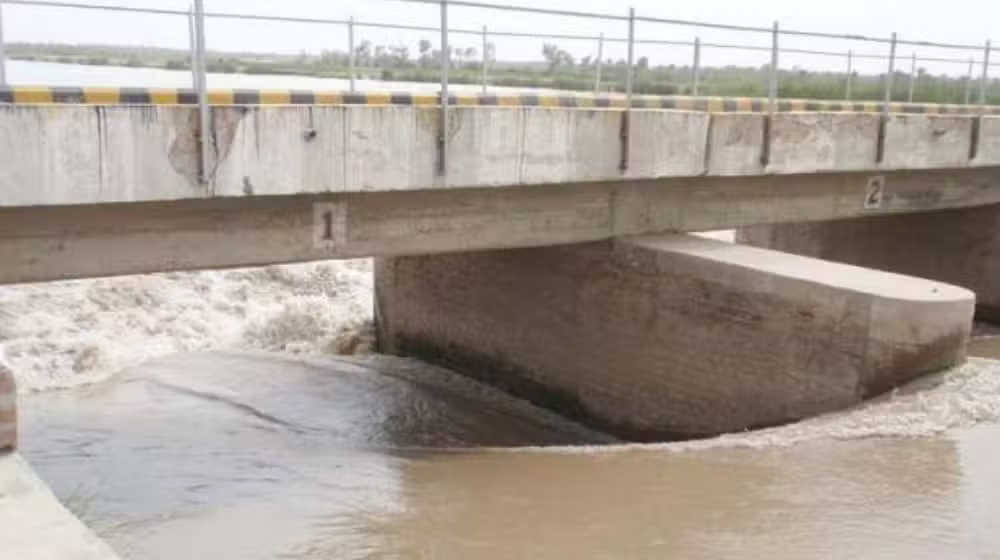
Officials highlighted that the project will provide an alternative route between Sukkur and Rohri, reducing dependence on the historic Lansdowne Bridge. Currently, the bridge handles the majority of traffic between the two cities, leading to heavy congestion, especially during peak hours.
According to authorities, more than 30,000 vehicles use the Lansdowne Bridge daily. Due to its age and structural limitations, heavy vehicles face restrictions, particularly those heading towards major highways such as N-5 National Highway and M-5 Motorway. This often results in delays and bottlenecks.
The situation has become more challenging as the Sukkur Barrage is currently undergoing rehabilitation and will remain closed to vehicular traffic until at least 2027. This closure has further increased pressure on existing routes.
During the meeting, Local Government Minister Syed Nasir Hussain Shah noted that Sukkur and Rohri have effectively evolved into a single economic zone. Thousands of commuters travel daily from nearby areas such as Saleh Pat and Pano Aqil for work, education, healthcare, and trade.
To initiate the project, funding has been approved through the Project Development Facility to hire consultants. The bridge will be developed under a Public-Private Partnership model by the Sindh Local Government Department.
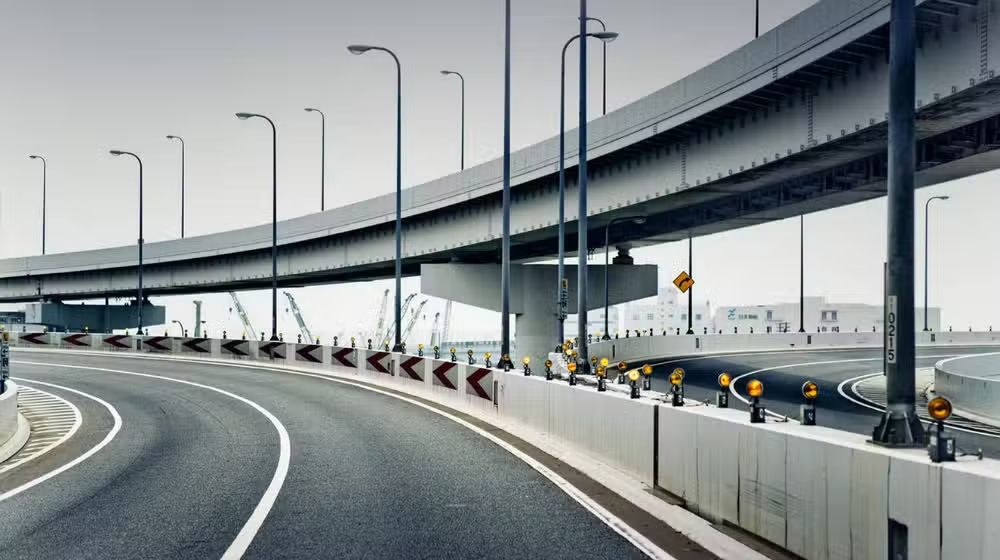
As per initial plans, the bridge will be constructed north of Bukkur Island and will span approximately 1.5 kilometres. It will be a multi-lane structure designed to accommodate heavy commercial traffic, along with dedicated space for pedestrians.
In addition to the bridge project, the board reviewed progress on the Shaheed Bhutto Expressway, which is reported to be over 88 percent complete. Authorities have been directed to ensure its full operational status by April 2026. Plans for solar-powered streetlights and long-term maintenance were also approved.
The board further cleared the feasibility study for the Kathore Interchange, aimed at improving connectivity at the expressway’s endpoint. New policy measures were also introduced to strengthen the public-private partnership framework, including stricter bid evaluation rules and a structured process for private-sector proposals.
The new Sukkur-Rohri bridge project is expected to play a key role in easing traffic congestion, enhancing regional connectivity, and supporting economic growth in northern Sindh.