Pakistan has ranked among the top 10 countries experiencing the highest increase in petrol prices following the escalation of tensions involving the United States, Israel, and Iran. The conflict has significantly disrupted global energy markets, triggering a sharp rise in fuel costs worldwide.
According to data reported by Al Jazeera, at least 85 countries have recorded increases in petrol prices since the crisis began. Pakistan stands at sixth position, with prices rising from $0.92 to $1.15 per litre, reflecting a notable increase of 24.49 percent.
Leading the list is Cambodia with a 67.81 percent surge, followed by Vietnam at 49.73 percent and Nigeria at 35.02 percent. Other countries in the top 10 include Laos, Canada, Maldives, Australia, the United States, and Singapore, all experiencing varying degrees of price hikes due to global supply disruptions.
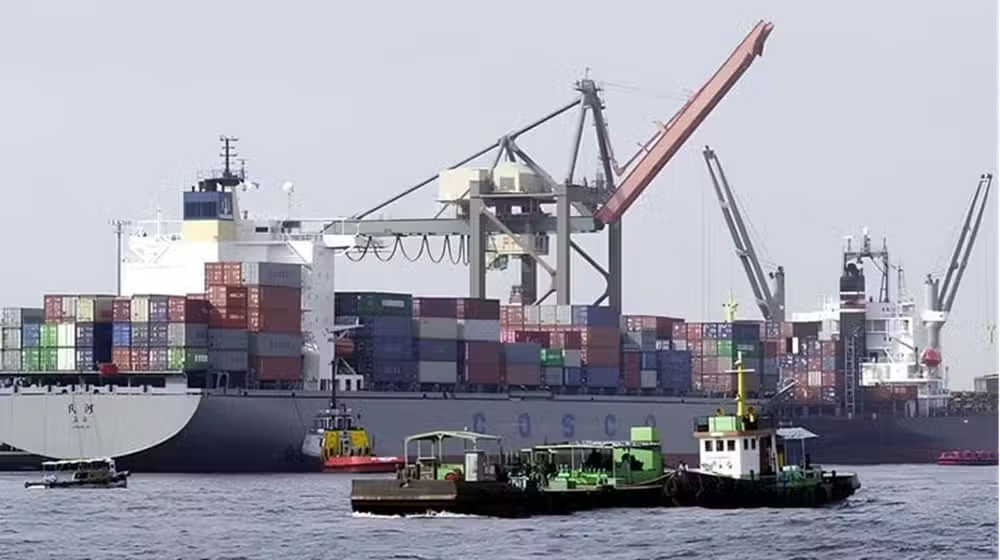
A key factor behind this surge is the instability in the Strait of Hormuz, one of the world’s most critical النفط shipping lanes. The route handles a significant portion of global oil trade, and any disruption in this corridor directly impacts supply chains and fuel prices across international markets.
For Pakistan, the increase in petrol prices poses additional economic challenges, particularly in managing inflation and maintaining energy affordability. Rising fuel costs have a cascading effect on transportation, manufacturing, and essential goods, putting pressure on both consumers and businesses.
Despite efforts by the government to cushion the impact through temporary subsidies and price controls, global market trends continue to influence domestic fuel pricing. Analysts suggest that the situation will largely depend on geopolitical developments and stability in key oil-producing regions.
This latest development highlights the vulnerability of global energy markets to geopolitical tensions and underscores the importance of diversifying energy sources. As the situation evolves, countries like Pakistan will need to balance economic stability with the realities of fluctuating international oil prices.