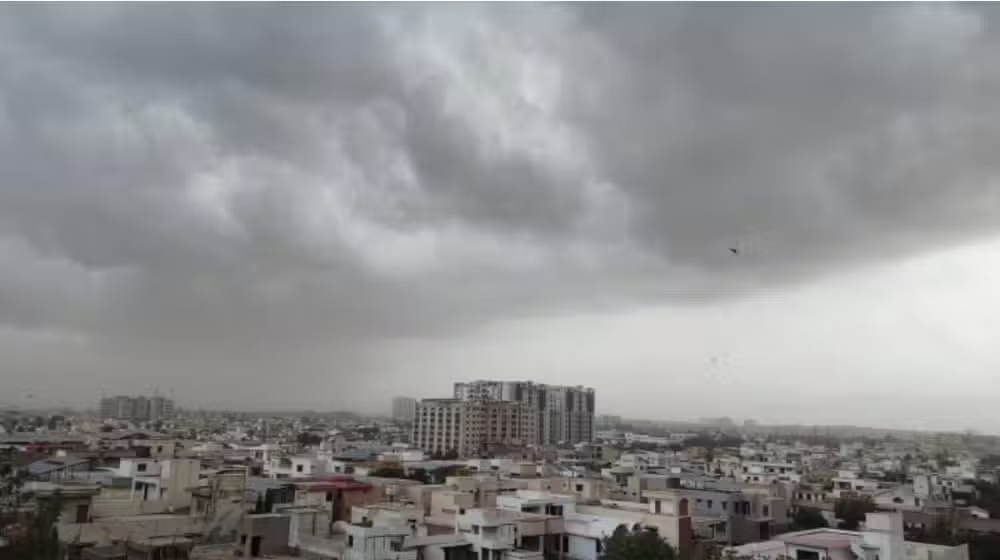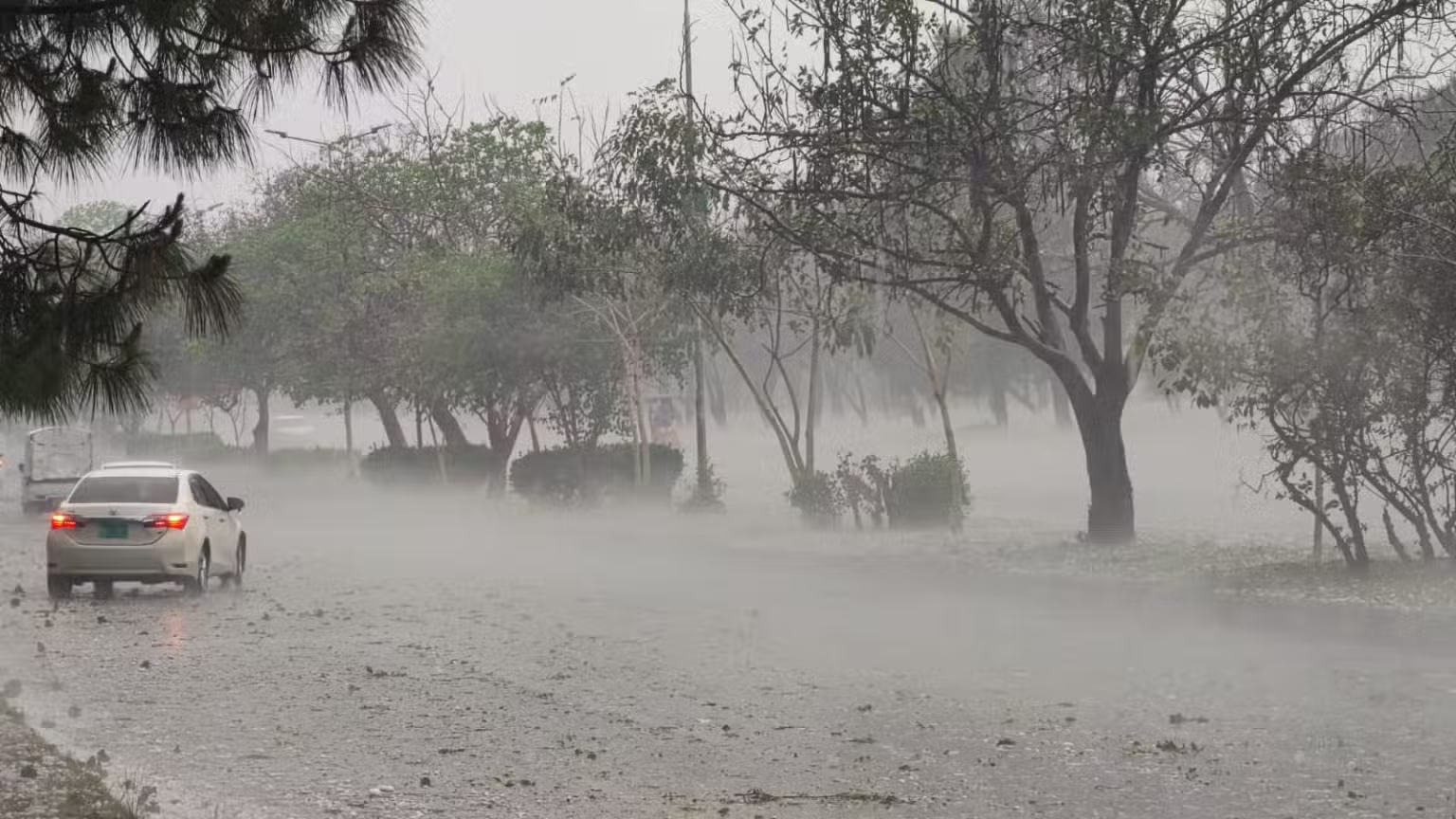
Pakistan Meteorological Department has issued a nationwide weather alert, forecasting widespread rain, thunderstorms, and isolated heavy downpours as a strong westerly wave approaches the country.
According to the Met Office, the system is expected to enter southwestern Balochistan on April 1 and persist until April 4, bringing unstable weather conditions across multiple regions. Authorities have warned of heavy rainfall, thunderstorms, and possible hailstorms in several districts.
In Balochistan, areas including Gwadar, Turbat, Quetta, Khuzdar, Chaman, and Zhob are likely to experience rain accompanied by gusty winds and thunderstorms. Isolated heavy falls and hailstorms are also expected, particularly along the Makran coastal belt and inland districts.
In Khyber Pakhtunkhwa, widespread rain and thunderstorms are forecast from April 1 night through April 4. Mountainous regions such as Chitral, Swat, Dir, and Kohistan may receive snowfall, while cities including Peshawar, Mardan, and Abbottabad could see heavy downpours and occasional hailstorms.
Parts of Punjab and Islamabad are also expected to experience rain and thunderstorms during the same period. Areas like Rawalpindi, Lahore, Faisalabad, Multan, and Sialkot are likely to be affected, with the possibility of heavy rainfall in southern districts such as Dera Ghazi Khan.
In the northern regions, including Gilgit-Baltistan and Azad Jammu and Kashmir, rain and thunderstorms are predicted along with snowfall in mountainous areas. Heavy falls and hailstorms may occur at isolated locations, particularly in Kashmir valleys.
Meanwhile, Sindh is expected to receive rain and thunderstorms from April 2 to April 4. Major cities such as Karachi, Hyderabad, Sukkur, Larkana, and Tharparkar may witness intermittent showers, gusty winds, and isolated hailstorms.
Weather experts advise residents to remain cautious during this period, especially in areas prone to urban flooding, landslides, or strong winds. Travelers and farmers are also encouraged to plan accordingly, as changing weather conditions could disrupt daily activities.
This incoming weather system highlights the seasonal transition and underscores the need for preparedness as Pakistan experiences fluctuating climate patterns in early April.