
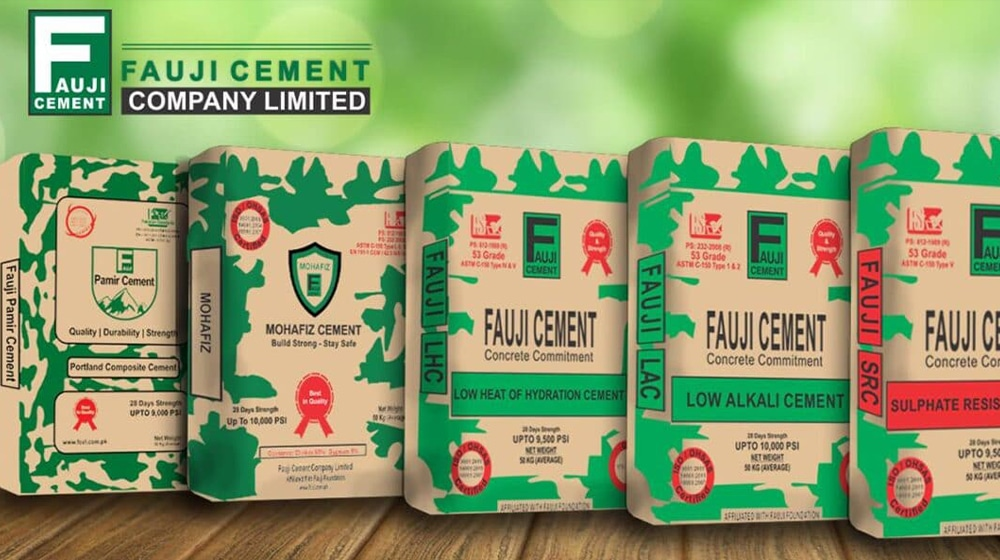
Fauji Cement Company Limited has posted a solid financial performance for the first nine months of FY26, demonstrating resilience despite a noticeable quarter-on-quarter decline. The company reported a profit of Rs. 10.8 billion, with earnings per share (EPS) standing at Rs. 4.39, compared to Rs. 9.4 billion and EPS of Rs. 3.84 during the same period last year, reflecting a 15 percent year-on-year increase.
The growth highlights sustained operational strength, supported primarily by higher cement dispatches and stable margins. Despite broader economic challenges and fluctuations in input costs, FCCL has managed to maintain consistent performance, reinforcing its position within Pakistan’s competitive cement sector.
However, a closer look at quarterly figures shows a mixed picture. On a quarter-on-quarter basis, profits declined by 14 percent, indicating short-term pressures that may be linked to cost variations, seasonal demand shifts, or broader market conditions. Even so, the company’s third-quarter performance remained impressive on a yearly comparison.
For the third quarter alone, FCCL posted a profit after tax of Rs. 3.45 billion, marking a substantial 62 percent increase year-on-year. This sharp rise suggests that, despite the quarterly dip, the company continues to benefit from improved operational efficiencies and stronger sales volumes compared to last year.
The cement industry in Pakistan has been navigating a complex environment shaped by fluctuating demand, energy costs, and macroeconomic uncertainty. Within this context, FCCL’s ability to deliver double-digit growth over nine months signals effective cost management and strategic planning.
Investors and market analysts often assess both year-on-year and quarter-on-quarter trends to gain a clearer understanding of a company’s trajectory. While the QoQ decline may raise short-term concerns, the overall upward trend in profitability provides a more encouraging outlook for stakeholders.
Looking ahead, FCCL’s performance will likely depend on construction activity, infrastructure development, and economic stability in the country. If demand remains steady and input costs are managed efficiently, the company could sustain its growth momentum in the coming quarters.