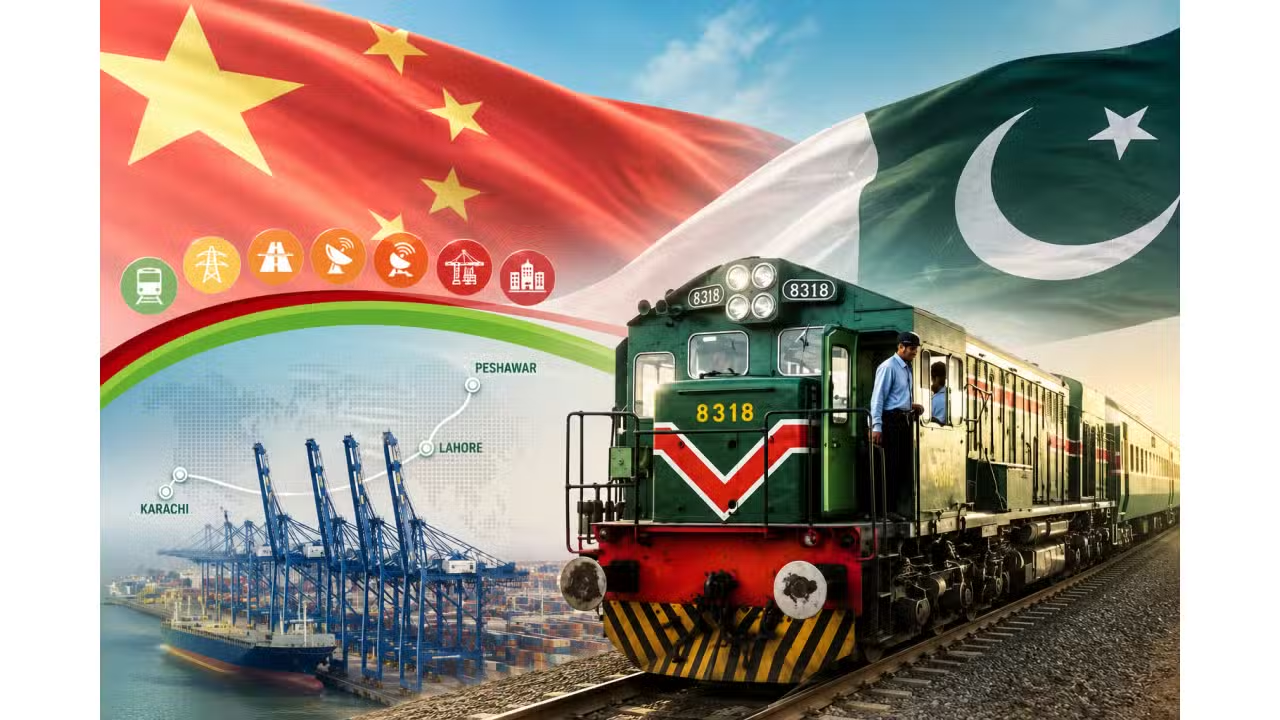
Pakistan’s federal government has confirmed that the Main Line-1 (ML-1) railway modernization project is no longer part of the China-Pakistan Economic Corridor framework and will instead be financed through multilateral development partners, including the Asian Development Bank and other international financial institutions.
The announcement was made during a meeting of the Senate Standing Committee on Economic Affairs, where Economic Affairs Secretary Hameer Karim informed lawmakers that the project has been separated from CPEC. Originally estimated to cost $7.7 billion, the government is now exploring alternative financing options through international lenders to move the long-delayed project forward.
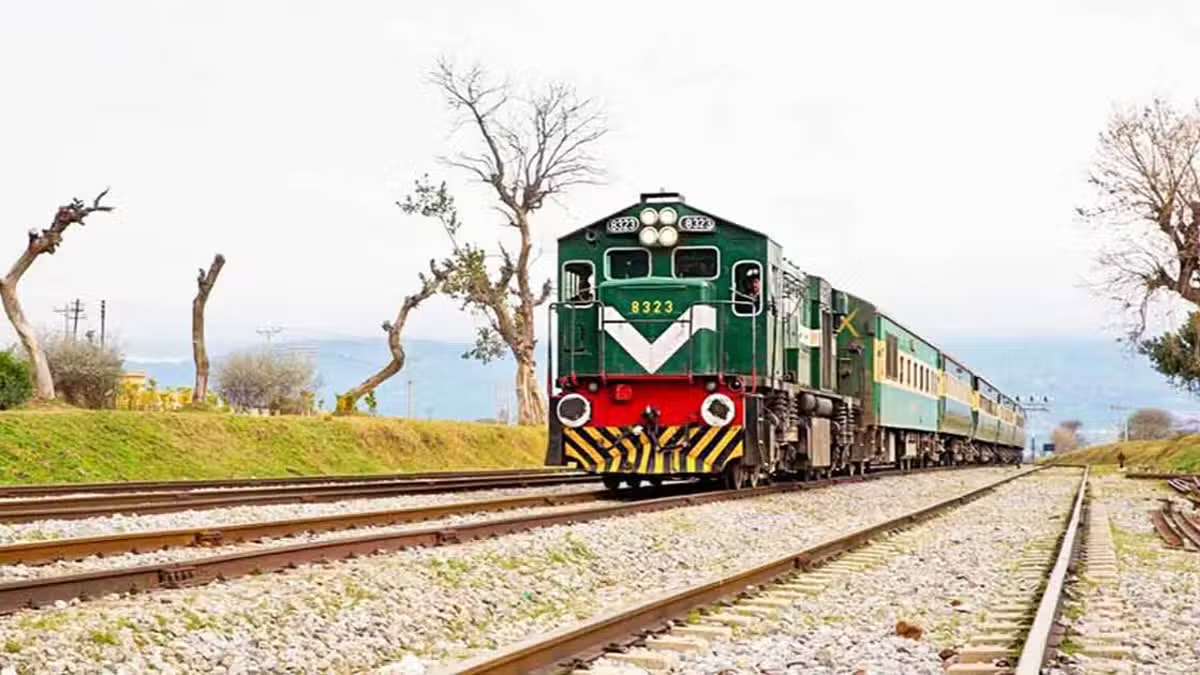
The ML-1 project is Pakistan’s largest railway infrastructure initiative and is designed to transform the country’s rail network by upgrading the main railway corridor stretching from Karachi to Peshawar. The modernization plan includes replacing aging railway tracks, installing advanced signaling and communication systems, increasing passenger train speeds, and significantly enhancing freight transport capacity.
For years, ML-1 was regarded as the flagship transport project under the China-Pakistan Economic Corridor, a major component of the broader Belt and Road Initiative. However, the project has experienced repeated delays due to financing arrangements, rising construction costs, and prolonged negotiations over its implementation.
By shifting the financing strategy toward institutions such as the Asian Development Bank and other multilateral lenders, the government aims to secure the investment needed to begin long-awaited upgrades to Pakistan’s railway infrastructure. Officials believe diversified funding could help accelerate implementation while aligning the project with international financing standards.
The modernization of ML-1 is expected to improve railway safety, reduce travel times, increase cargo transportation efficiency, and strengthen connectivity between Pakistan’s major commercial and industrial centers. The project is also seen as a key step toward modernizing the country’s transport infrastructure and supporting long-term economic growth.
The government’s latest decision marks a significant policy shift for one of Pakistan’s most important infrastructure projects, with future progress now expected to depend on successful negotiations with international financial institutions.