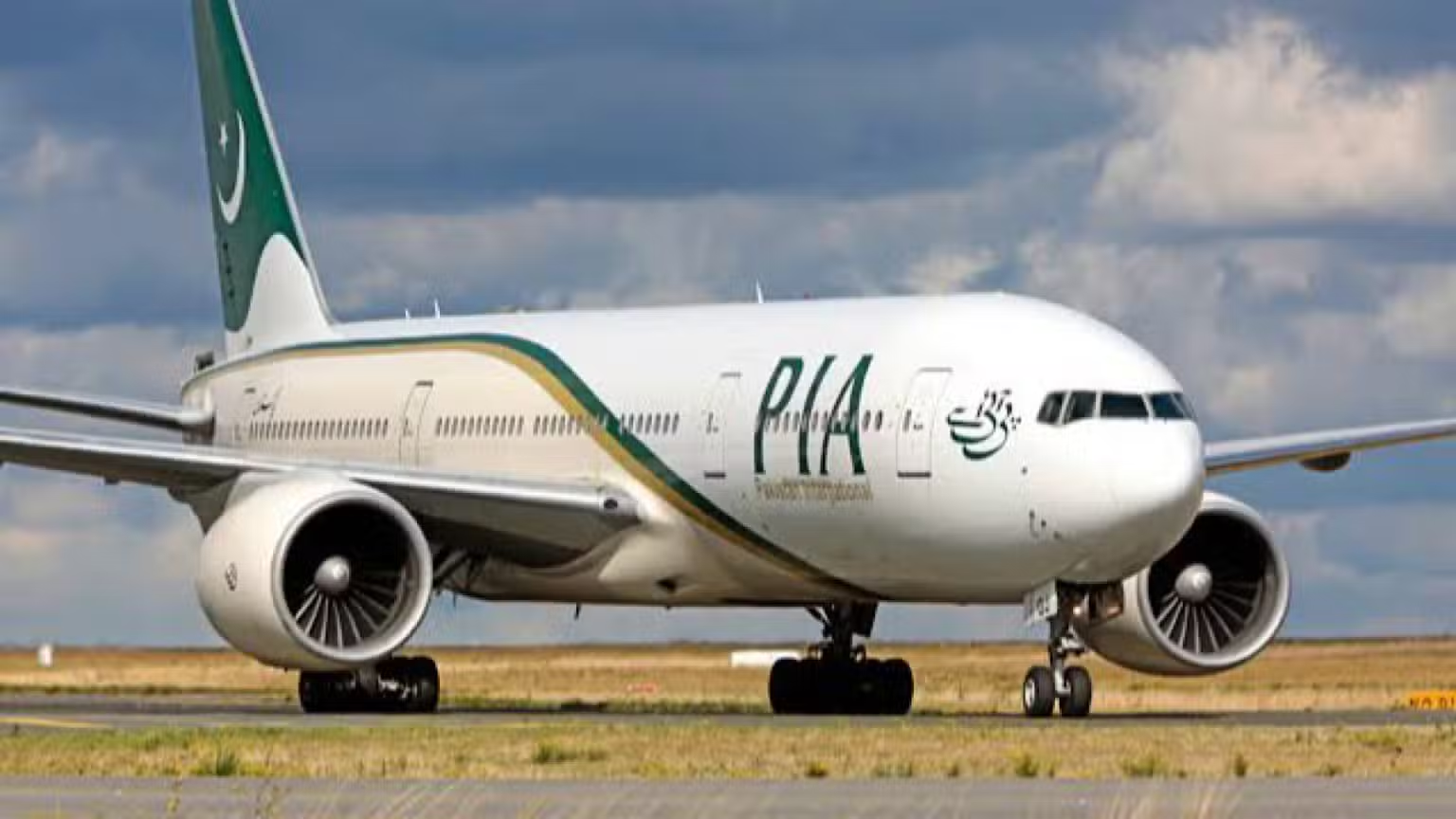
Pakistan International Airlines has suspended its flights to several Gulf destinations as regional air travel faces major disruption due to the rapidly escalating Middle East conflict.
In a passenger advisory issued on February 28, 2026, the airline announced that flights to the United Arab Emirates, Bahrain, Kuwait, and Doha have been suspended until tomorrow evening or until the relevant airspaces reopen. The move comes in response to what the airline described as the “developing situation in the Middle East.”
PIA also confirmed that its flights bound for Saudi Arabia have been rerouted to avoid conflict-affected zones. The airline stated that passenger safety remains its top priority and that operational decisions are being made in line with international aviation advisories.
Travelers affected by the suspension have been advised to contact the PIA call center at 021 111 786 786 for updated flight information and re-accommodation options. The airline has urged passengers to verify flight status before heading to the airport to avoid inconvenience.
The disruption follows a sharp regional escalation that began with reported Israeli strikes on Tehran, subsequent confirmation of US involvement, and Iran’s retaliation involving missile activity and heightened air defense alerts across multiple Gulf states. As tensions rose, several countries imposed temporary airspace restrictions, forcing airlines to cancel or reroute flights at short notice.
Aviation authorities across the region are closely monitoring developments. Safety concerns have prompted a broader industry response, with multiple international carriers either pausing services to certain Middle Eastern destinations or altering flight paths to bypass sensitive air corridors.
Airspace closures in strategic Gulf regions have significantly impacted transit hubs, which serve as key connecting points for passengers traveling between Asia, Europe, and North America. As a result, schedule adjustments and delays are becoming increasingly common.
Industry analysts note that airlines typically adopt precautionary measures during periods of geopolitical instability. Rerouting aircraft can increase fuel costs and extend travel times, but it remains essential for ensuring passenger and crew safety.
The situation remains fluid, and further changes to flight schedules are possible depending on the duration of airspace restrictions. Passengers planning to travel to or transit through the Gulf region are strongly encouraged to stay in contact with their airlines and monitor official advisories for the latest updates.