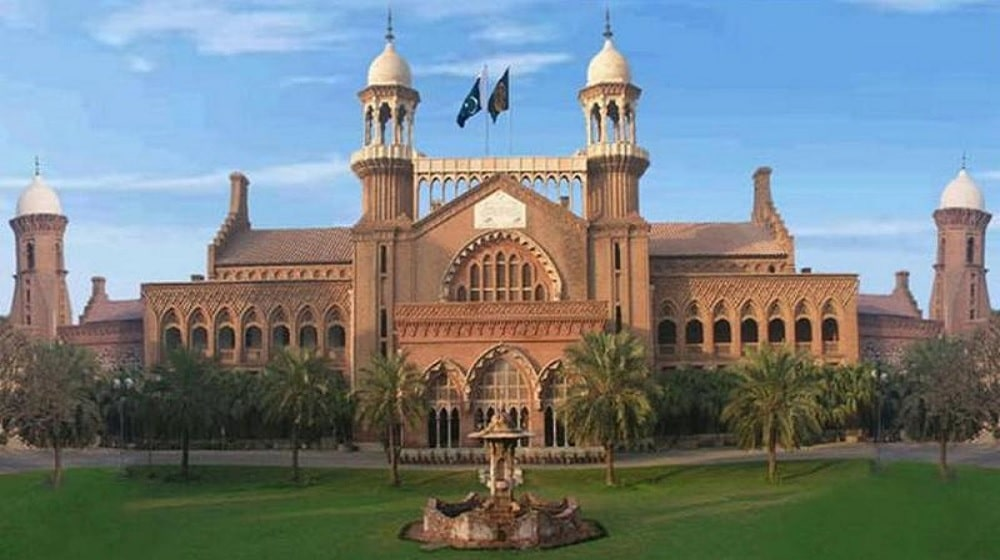
The Lahore High Court has voiced serious concerns over disruptions linked to Pakistan Super League 11, with Chief Justice Aalia Neelum criticizing the impact of match-related arrangements on judicial proceedings.
The issue came to light during the hearing of a bail application filed by an accused in a fraud case. The court questioned law enforcement authorities after the suspect, identified as Ali Ameer, was not presented in court as required.
During the proceedings, the chief justice expressed dissatisfaction over the situation, pointing to road closures and heightened security measures surrounding PSL 11 matches as contributing factors. She indicated that such arrangements should not interfere with the functioning of the justice system or delay legal processes.
Taking a firm stance, the court summoned senior provincial officials, including the Chief Secretary and Home Secretary of Punjab, directing them to appear immediately and provide an explanation. The move reflects the judiciary’s concern over administrative lapses during major public events.
Legal representatives also highlighted the impact of these disruptions on the case. Counsel Ejaz Bhatti informed the court that the accused was involved in a property dispute case registered in Liaquatabad, alleging unlawful possession of assets worth Rs. 40 million.
The petitioner’s lawyer further argued that the trial had been ordered to proceed on a day-to-day basis. However, repeated delays due to the accused not being produced in court—reportedly because of PSL-related security restrictions—have hindered progress and prolonged the proceedings.
The bail request submitted to the court cited these delays as a key reason for relief, emphasizing that extended interruptions in the trial process could affect the rights of the accused.
The situation highlights the broader challenge of balancing large-scale sporting events with essential public services. While PSL 11 continues to draw massive crowds and nationwide attention, authorities are now under pressure to ensure that such events do not disrupt critical institutions like the judiciary.
As the case unfolds, the court’s intervention signals a clear message regarding accountability and the need for effective coordination between law enforcement and civil administration during high-profile events.