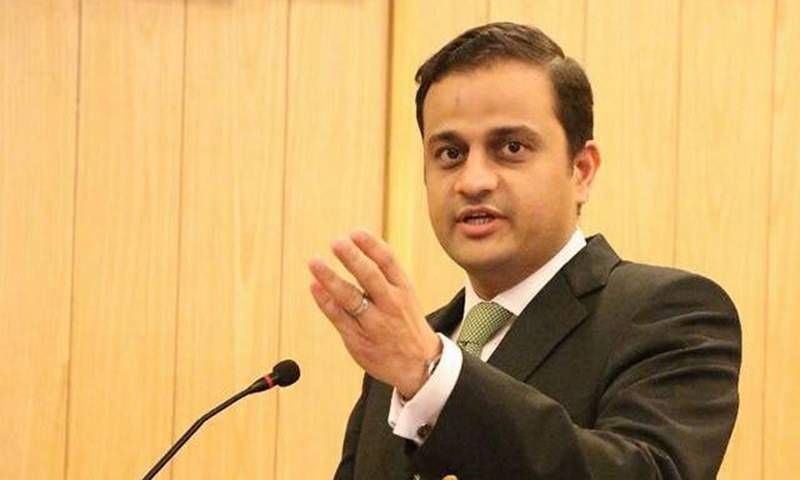
Karachi Mayor Murtaza Wahab has formally apologised to the family of three-year-old Ibrahim, who lost his life in a tragic incident near Nipa, calling it a painful failure of the city administration. The mayor addressed the media on Tuesday, delivering an emotional statement that centred on empathy, responsibility, and promises of corrective action.
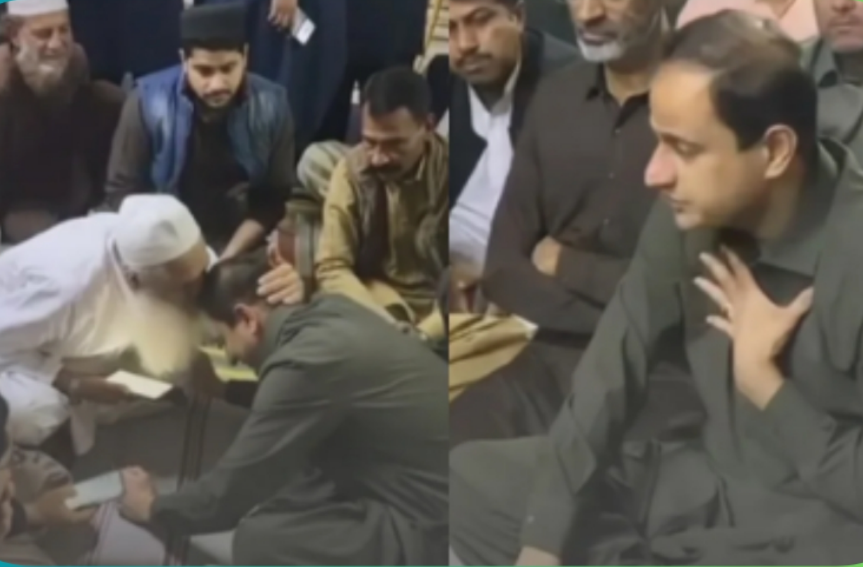
Wahab said he met Ibrahim’s family earlier in the day at their residence in Shah Faisal Colony and offered a direct apology without engaging in any blame-shifting. “I said that I regret this whole incident. As a father, I have no words for the cries of Ibrahim’s mother,” he told reporters, adding that the pain felt within the household was beyond description.
He highlighted the patience and grace shown by Ibrahim’s grandfather, despite the enormity of the loss. Wahab praised the family’s strength, quoting the grandfather’s words that the child had lived the time “Allah had allotted him,” but stressed that authorities must ensure no other family suffers similarly. He added that he refrained from making public statements outside the home to respect their privacy and grief.
The mayor confirmed that officials from multiple departments have been suspended following directives from the Sindh Chief Minister. Those suspended include personnel from the Water Corporation, Karachi Metropolitan Corporation, district administration, and police officials in East district. “This is necessary to prevent such incidents in the future,” Wahab said, while acknowledging systemic shortcomings in response and management.
According to Wahab, the rescue effort was delayed by disorder at the site and inadequate control by authorities. He referred to the response as “tragic, painful, and shameful” and emphasised that city officials must be responsible for managing crowds to allow emergency services to work effectively.
In his remarks, Wahab also drew attention to infrastructure theft, vandalism, and the role of junk markets in enabling damage to public systems. He said renewed legal and administrative action is underway, including a crackdown on individuals who damage utility covers and sewer installations, noting that drug addiction and theft are contributing factors.
“Ibrahim’s family has raised some serious concerns, and we will address them,” Wahab said, adding that long-term solutions require action, not rhetoric. He reiterated that blame games will not resolve public problems and argued for a more disciplined governance approach.
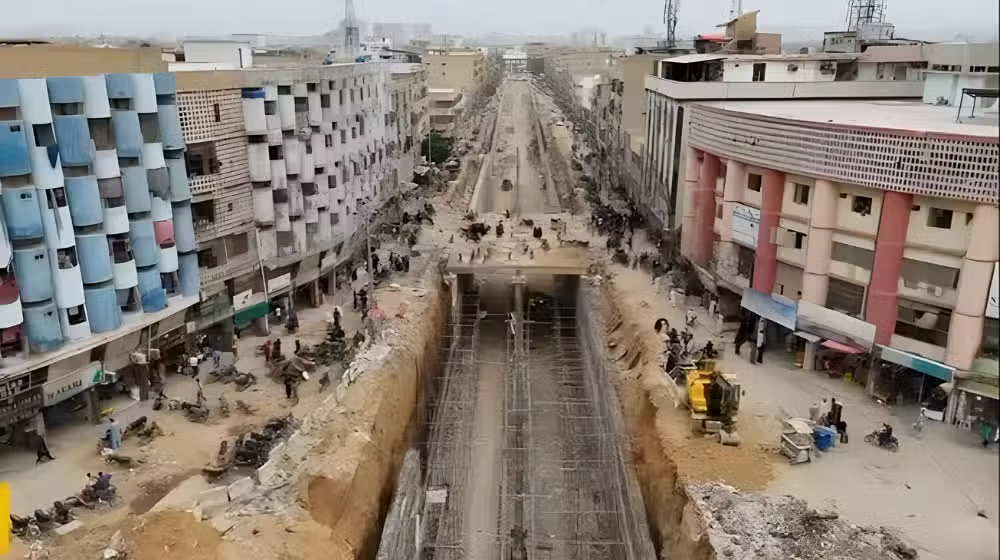
The mayor promised continued updates on safety initiatives, including infrastructure audits and progress on the Red Line project, while underlining that authorities carry a collective responsibility to ensure Karachi’s public spaces are safe.
The incident has sparked widespread distress and calls for accountability among citizens, with many highlighting chronic failures in urban management. Wahab’s apology marks one of the strongest public acknowledgements of administrative responsibility in recent years, yet the test will lie in whether promised reforms materialise.