
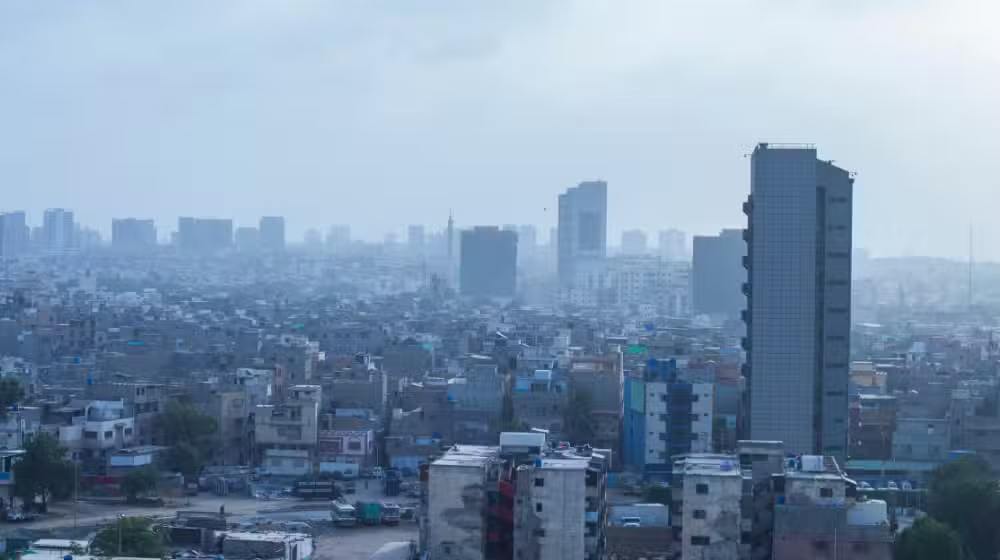
The Karachi is facing a worsening environmental situation as its green cover has reportedly dropped to below 2 percent, raising serious concerns among environmental experts and urban planners.
The decline is linked to an ongoing government-led campaign focused on removing conocarpus tree from across the city. Authorities argue that the species has been responsible for damaging infrastructure, including roads, drainage systems, and sidewalks, prompting its phased removal and replacement with native tree varieties.
However, the drive has sparked controversy. Environmentalists and civil society groups warn that the campaign is not limited to the targeted species alone. According to concerns raised, several mature and ecologically important trees have also been cut during the process, including species listed as vulnerable or at risk by the International Union for Conservation of Nature.
Experts caution that the rapid loss of tree cover is having visible environmental consequences. Karachi’s already hot and humid climate is becoming more severe, with rising temperatures and reduced natural cooling effects in urban neighborhoods. The shrinking green spaces are also contributing to deteriorating air quality and a more stressful living environment for residents.
Urban ecologists emphasize that mature trees play a critical role in maintaining ecological balance in large cities. Beyond providing shade, they help reduce heat islands, absorb carbon emissions, and support biodiversity. The removal of established trees, they argue, cannot be quickly offset by planting younger saplings.
The situation has reignited debate over Karachi’s long-term urban planning and environmental policies. While the intention to replace non-native species with indigenous trees is widely supported, critics stress that implementation must be carefully managed to avoid unintended ecological damage.
Environmental groups are calling for greater transparency, stricter monitoring, and a more structured reforestation strategy that prioritizes survival rates and ecological diversity rather than rapid clearance.
As Karachi continues to expand rapidly, experts warn that without urgent intervention, the city could face even more severe heatwaves and environmental stress in the coming years.