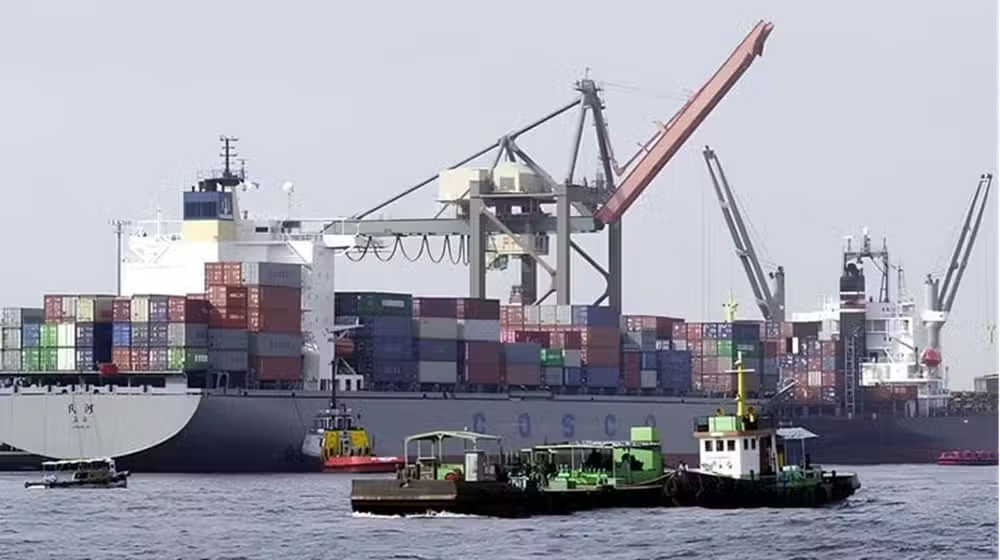
Karachi is poised to enter the ranks of the world’s largest cities as its population continues to expand at a remarkable pace. According to the UN’s World Urbanisation Prospects 2025 report, the metropolis is expected to join the global top ten between 2025 and 2030 and climb even higher in the decades ahead.
The UN projections indicate that by 2050, Karachi could become the fifth-largest city on the planet, with its population approaching 33 million. This would place the city ahead of major global hubs such as Cairo, Tokyo, Guangzhou, Manila and Kolkata, marking a significant shift in global urban dynamics.
The rapid rise of Karachi reflects a broader global trend: megacities are increasing both in number and scale. In 1975, the world had only eight megacities. By 2025, that number will surge to 33, with Asia hosting 19 of them — more than any other region. The report further predicts that by 2050, the world will have at least 37 megacities.
Dhaka is projected to become the world’s largest city by mid-century, highlighting South Asia’s continuing rise in global population rankings and urban growth.
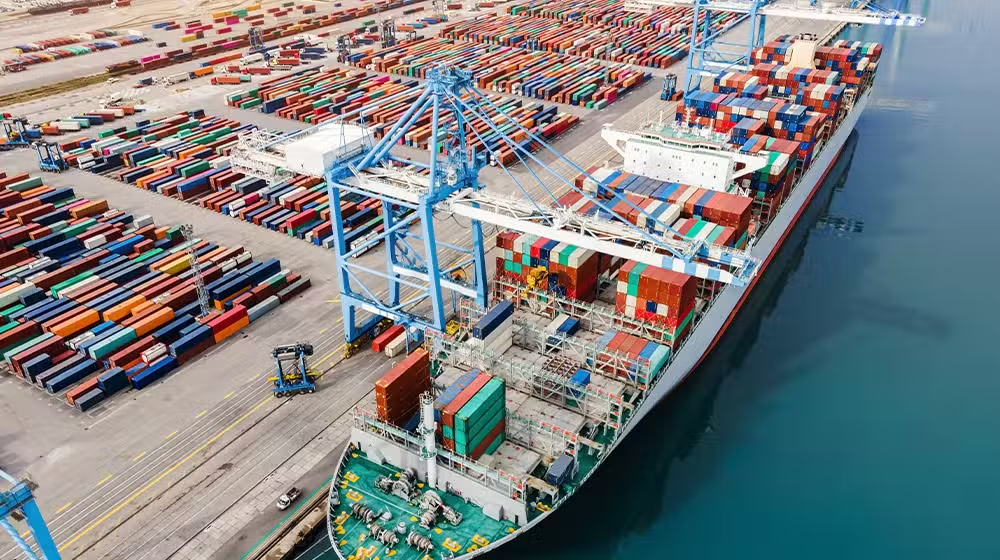
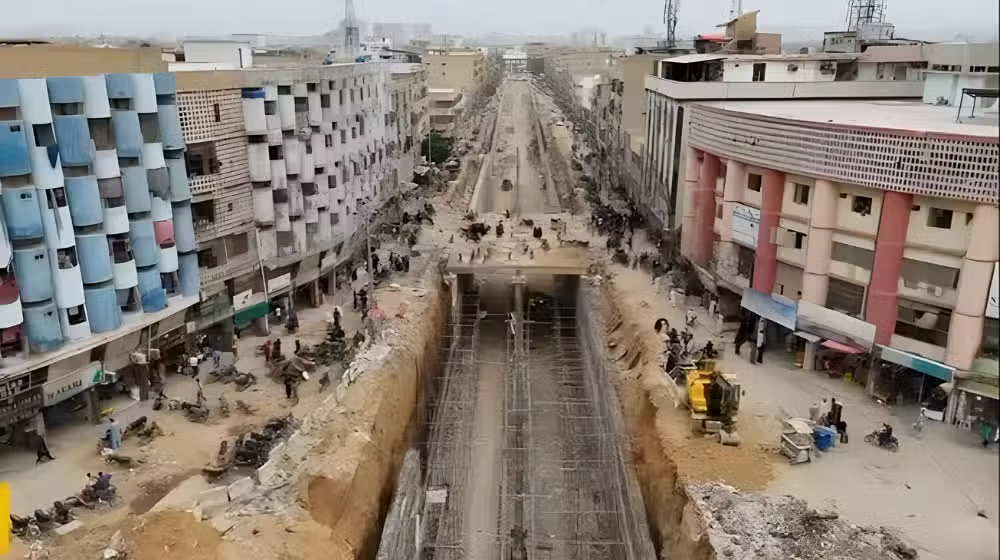
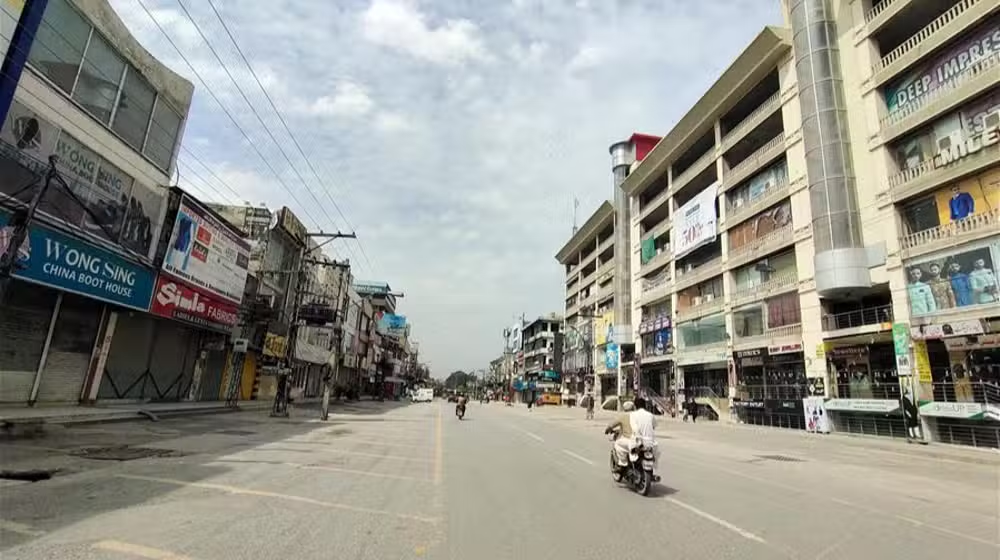
Karachi’s rapid expansion brings both opportunities and challenges. As Pakistan’s financial engine and a major cultural hub, the city’s increasing size underscores its importance in regional trade, economic development and migration patterns. At the same time, the trends place greater pressure on its infrastructure, housing, transportation and essential public services.
Urban planners and policymakers will face mounting urgency to accommodate the city’s accelerating growth while addressing long-standing structural issues.
Karachi’s trajectory signals that the city will continue to shape Pakistan’s future — and play an increasingly prominent role on the global urban map.