Karachi’s traffic authorities have recorded over Rs710 million in fines during the last 30 days, with seatbelt violations emerging as the single largest contributor to revenue. According to official data, drivers failing to wear seatbelts accounted for Rs575.41 million in fines, highlighting a persistent disregard for a basic safety rule that authorities say could significantly reduce injuries in road accidents.
Motorcyclists were the next major category of violators. Bike riders accumulated Rs111.135 million in penalties for not wearing helmets, despite repeated awareness campaigns and warnings regarding rising road casualties. Traffic officials noted that the city continues to face high rates of motorcycle-related injuries, making helmet enforcement a critical priority.
Vehicles with tinted windows were fined Rs29.45 million, reflecting continued action against unapproved modifications on private vehicles. Officials said that such violations compromise law enforcement visibility and road safety, making strict action necessary.
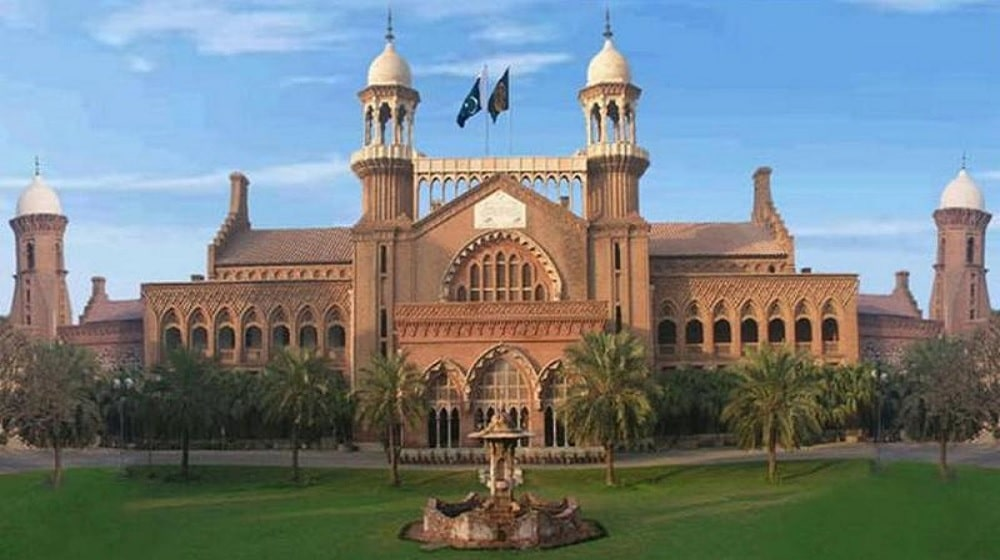
The surge in e-challans comes at a time when the Sindh High Court (SHC) is hearing petitions against the system. On November 25, the SHC rejected a plea seeking a stay on e-challans in Karachi, allowing the digital enforcement mechanism to remain fully operational. The court directed the Deputy Inspector-General (Traffic) to appear on December 11, 2025, for further proceedings.
During the hearing, the petitioner’s counsel, Munsif Jan, argued that Karachi was being unfairly treated, pointing out that the fine amounts differed from those imposed in cities like Lahore. The court, however, instructed him not to draw comparisons, noting that each city faces its own administrative realities.
Representing bus owners, the lawyer further complained that transport operators were being penalised for picking up passengers, despite the absence of functional bus stands in Karachi. Justice Adnan Iqbal Khan responded that the court and residents experience the same urban challenges and are well aware of the city’s conditions.
The court has sought replies from all relevant authorities, including the Sindh Chief Secretary, IG Sindh, DIG Traffic, NADRA, Excise, and other departments before proceeding further.
Despite legal debates, the data shows that e-challans continue to play a significant role in Karachi’s traffic enforcement. Authorities say the system is designed to improve compliance, reduce accidents, and encourage responsible road behaviour in a city where traffic violations remain widespread.