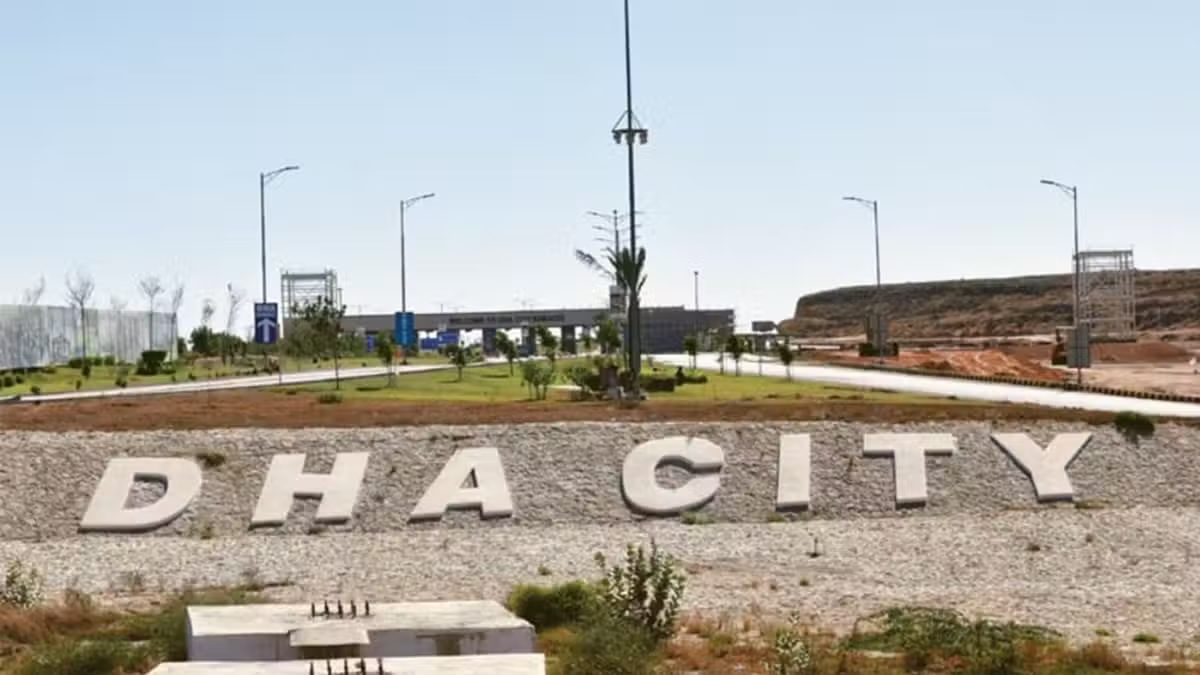
DHA City Karachi has achieved a significant milestone by becoming the first privately owned housing project in Pakistan to receive authorization for distributing and supplying electricity within its premises. The development marks a major shift in the country’s power sector and opens the door for large-scale private energy distribution models in residential communities.
The National Electric Power Regulatory Authority (NEPRA) has granted DHA Energy Supply Company (DESCO) two parallel licenses: one for electricity distribution and another for Supplier of Last Resort (SoLR) services. Both licenses have been issued for a period of 21 years, giving DESCO long-term authority to manage power supply operations in the designated area.
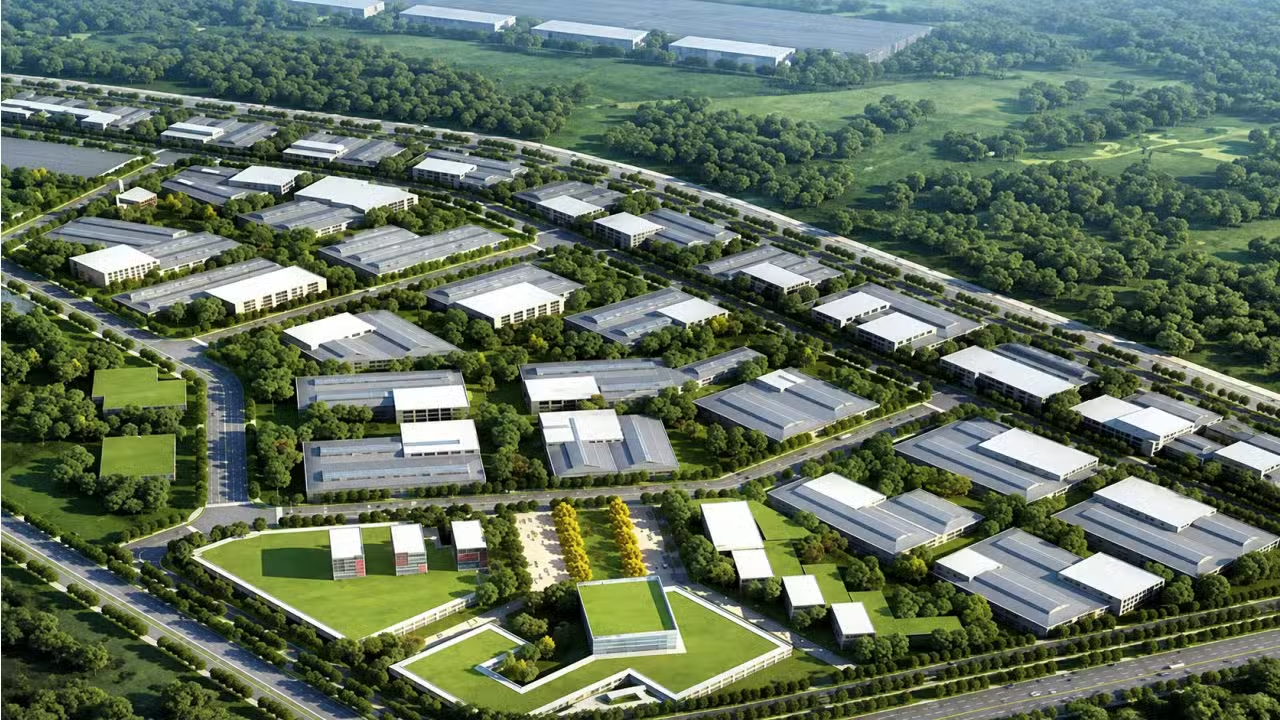
Initially, the licenses will apply to DHA City Karachi, a large residential development located approximately 56 kilometers from Karachi on the M-9 Motorway in Malir district. The project is being developed as a modern planned city with dedicated infrastructure, including roads, utilities, and energy systems.
Under the new arrangement, DESCO will be responsible for distributing electricity directly to consumers within DHA City Karachi. The SoLR license means the company will also ensure electricity availability for consumers in situations where no other supplier is providing service, helping maintain continuity of power supply within the housing project.
The approval is being viewed as a landmark decision for Pakistan’s energy and real estate sectors. Traditionally, electricity distribution has been handled by government-owned distribution companies, with private entities having limited roles in generation or specialized industrial distribution networks. DHA City Karachi is the first private housing development to receive comprehensive authority for both distribution and supplier-of-last-resort functions.
Supporters of the initiative believe the model could lead to improved service reliability, faster response times, and more efficient energy management compared to conventional distribution systems. Planned residential communities often have the advantage of modern infrastructure, which can reduce technical losses and support advanced metering and grid management technologies.
The move also aligns with broader efforts to encourage private sector participation in Pakistan’s power sector. Policymakers have increasingly explored alternative models to improve efficiency, attract investment, and address long-standing challenges such as transmission losses, power theft, and infrastructure constraints.
For residents and investors, the development may enhance the appeal of DHA City Karachi by offering a dedicated power distribution system managed specifically for the community. Reliable electricity remains one of the most important factors for residential buyers and businesses considering long-term investment in large housing projects.
Energy analysts say the success of DESCO’s operations could become a reference point for other master-planned housing developments across Pakistan. If the model delivers stable supply and efficient customer service, similar projects may seek regulatory approvals for private electricity distribution in the future.
NEPRA’s decision represents a new chapter in the evolution of Pakistan’s energy landscape, where private housing projects may increasingly play a more active role in developing and managing essential utility services for their residents.