The Sindh government has rolled out a major renewable energy initiative, introducing its Solar Home Systems (SHS) Project across four districts. The launch ceremony took place in Khairpur, where government officials, lawmakers, and local residents gathered to mark the beginning of the program.
This initiative, led by the Sindh Energy Department under its Special Initiatives for Renewable Energy, aims to provide relief to underserved communities facing rising electricity costs and unreliable power supply. The project is designed to improve energy access while promoting sustainable alternatives.
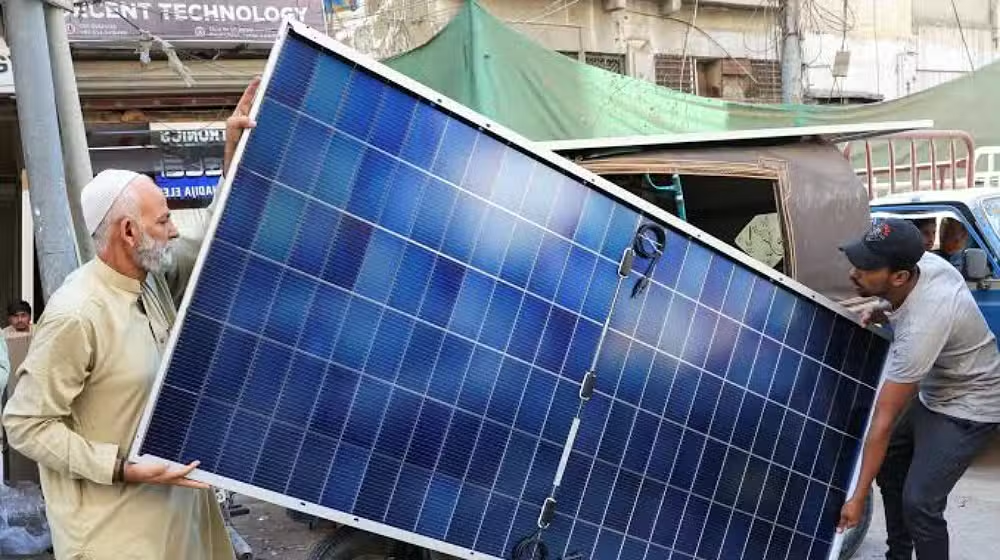
Under the scheme, approximately 275,000 solar kits will be distributed free of cost to low-income households. The program covers both on-grid and off-grid areas, ensuring that even remote communities can benefit from clean and reliable electricity solutions.
Each solar home system is expected to include essential components that allow households to power basic appliances such as lights and fans. This is particularly significant for rural regions where power outages and lack of infrastructure have long affected daily life and economic productivity.
The initiative reflects a broader push by the Sindh government to accelerate renewable energy adoption and reduce dependence on conventional power sources. By investing in solar energy, the province aims to tackle energy shortages while also contributing to environmental sustainability.
Officials have highlighted that the scheme will not only improve living standards but also support economic resilience. Access to consistent electricity can enhance education, enable small businesses, and improve overall quality of life for thousands of families.
At the same time, the success of the project will depend on effective implementation, transparent distribution, and ongoing maintenance support. Ensuring that beneficiaries receive functional systems and proper guidance will be key to achieving long-term impact.
The launch of the Solar Home Systems Project signals a positive step toward inclusive energy access in Sindh. As energy challenges persist across Pakistan, initiatives like this may serve as a model for other provinces looking to expand renewable solutions for vulnerable communities.