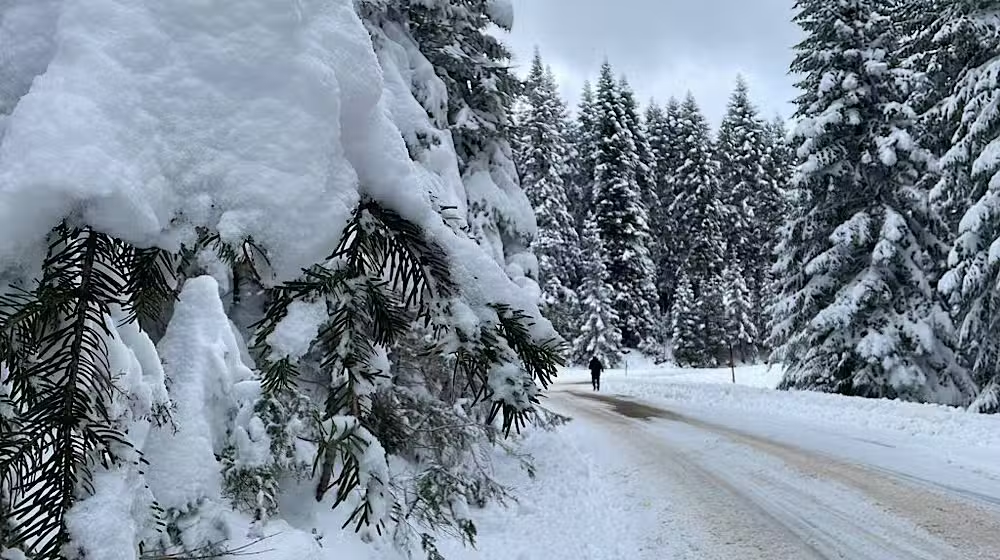
Authorities have issued a flash flood and snowfall alert for several northern regions of Pakistan as a strong western disturbance is expected to impact the upper parts of the country from January 21 to January 24. The warning highlights potential risks to life, property, and infrastructure due to heavy rainfall, snowfall, and a possible surge in water flow across rivers and streams.
According to an alert released by the National Disaster Management Authority, the approaching weather system may significantly increase the flow in streams and tributaries linked to the Kabul River. This rise in water levels raises concerns about flash flooding, particularly in hilly and low-lying areas where drainage systems are limited and runoff occurs rapidly.
The NDMA has identified multiple districts that could be affected by adverse weather conditions. These include Swat, Chitral, Buner, Shangla, Upper Dir, Lower Dir, Malakand, Bajaur, Mardan, Swabi, Abbottabad, Mansehra, Battagram, Torghar, Haripur, Kolai-Palas, Kohistan, and parts of Azad Kashmir. Residents in these regions have been advised to remain vigilant as sudden changes in weather may occur.
Heavy snowfall is also expected in high-altitude areas, which could disrupt road connectivity and daily life. Mountain passes and key routes may face temporary closures due to snow accumulation and reduced visibility. The combination of snowfall and rainfall increases the risk of landslides, especially in areas with unstable terrain and ongoing development activities.
Local administrations and emergency response units have been directed to stay on high alert during the forecast period. Rescue teams, district authorities, and relevant departments are expected to ensure preparedness measures, including the availability of machinery for snow clearance and arrangements for emergency evacuations if required. Tourists traveling to northern areas during this period have been urged to check weather conditions and road status before planning their journeys.
The NDMA has also advised the public to take precautionary measures, such as avoiding unnecessary travel near rivers, streams, and nullahs. Communities living close to waterways have been encouraged to move valuables to safer locations and stay informed through official weather updates. Farmers in vulnerable regions have been cautioned about potential damage to crops and livestock due to extreme weather conditions.
Weather experts note that western disturbances are common during winter months and often bring rain and snow to northern Pakistan. However, the intensity of the current system has prompted heightened concern due to the potential for flash floods and widespread disruption.
As the situation develops, authorities are expected to issue further advisories based on updated forecasts. Citizens are strongly encouraged to follow instructions from local administrations and disaster management agencies to minimize risks during this period of severe weather.