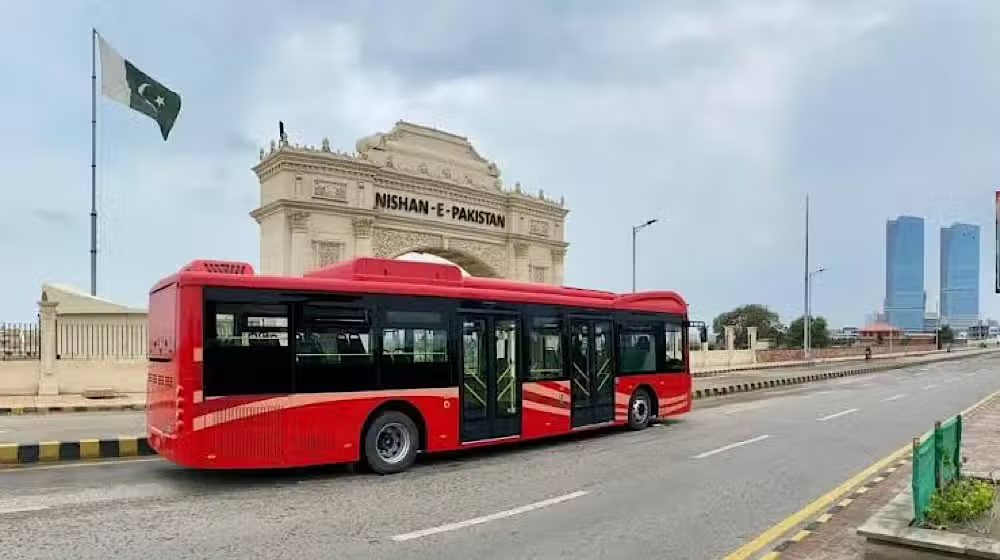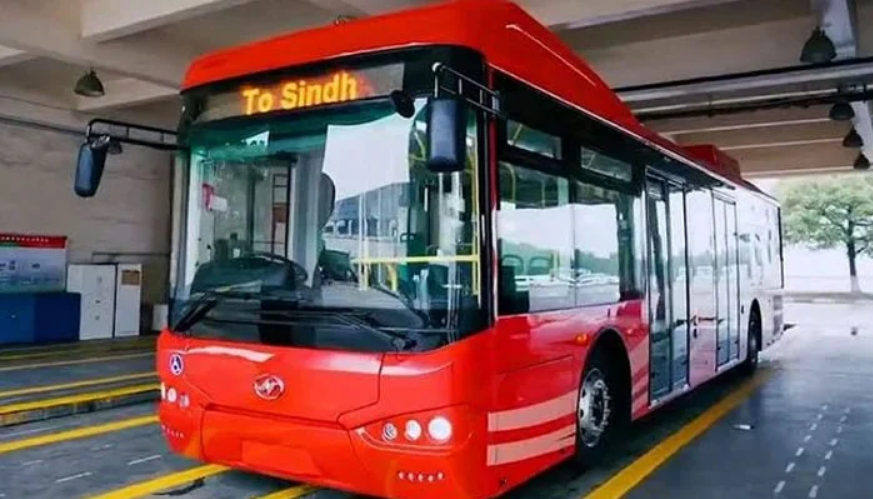
11 October 2025 — The Sindh government has approved the introduction of 500 electric buses in Karachi and Hyderabad, marking a major milestone in the province’s push toward sustainable and modern public transport. The decision was made during the 48th meeting of the Public-Private Partnership (PPP) Policy Board, chaired by Chief Minister Syed Murad Ali Shah at the CM House.
The session cleared several key development projects in transport, health, agriculture, and environmental management under the public-private partnership model. Officials from provincial ministries, the planning board, and the transport department attended the meeting.
The Peoples Green Transport Project, approved under the PPP mode, will introduce a fleet of electric buses equipped with modern depots, charging stations, automatic fare systems, and intelligent transport technology. The initiative, set to be executed over a 12-year concession period, is expected to serve more than 200,000 passengers daily, while reducing emissions and easing traffic congestion.
The buses will be rolled out in phases, connecting major routes and integrating with the Green Line BRT system. The board approved the project’s structure, scope, and risk model, granting a private partner the right of first refusal and exemption from prequalification requirements. Officials described it as a major step toward clean, efficient, and climate-friendly mobility in Sindh.
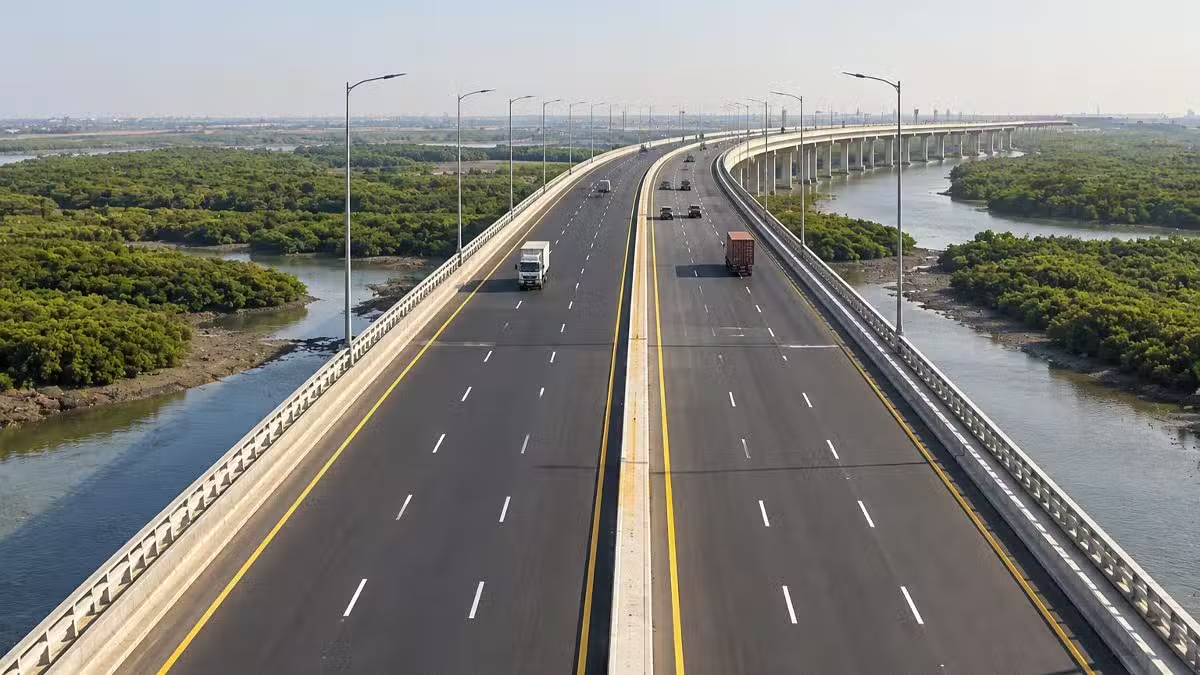
In addition, the board greenlit the Karachi Port to Qayyumabad Elevated Expressway Project, designed to enhance freight connectivity between the port and the city’s industrial zones. The 16.5-kilometre elevated expressway will cut travel distance by 26 kilometres and enable round-the-clock heavy traffic movement, improving port efficiency and easing congestion across Karachi’s main corridors.
Beyond transport, the PPP Board approved multiple projects across key sectors. These include the adoption of a fixed-and-variable annuity model for Regional Blood Centres in Sukkur, Karachi, and Shaheed Benazirabad to strengthen blood supply networks in public hospitals. The model is expected to allow each centre to issue 250,000 blood bags annually, ensuring timely access to safe blood for patients.
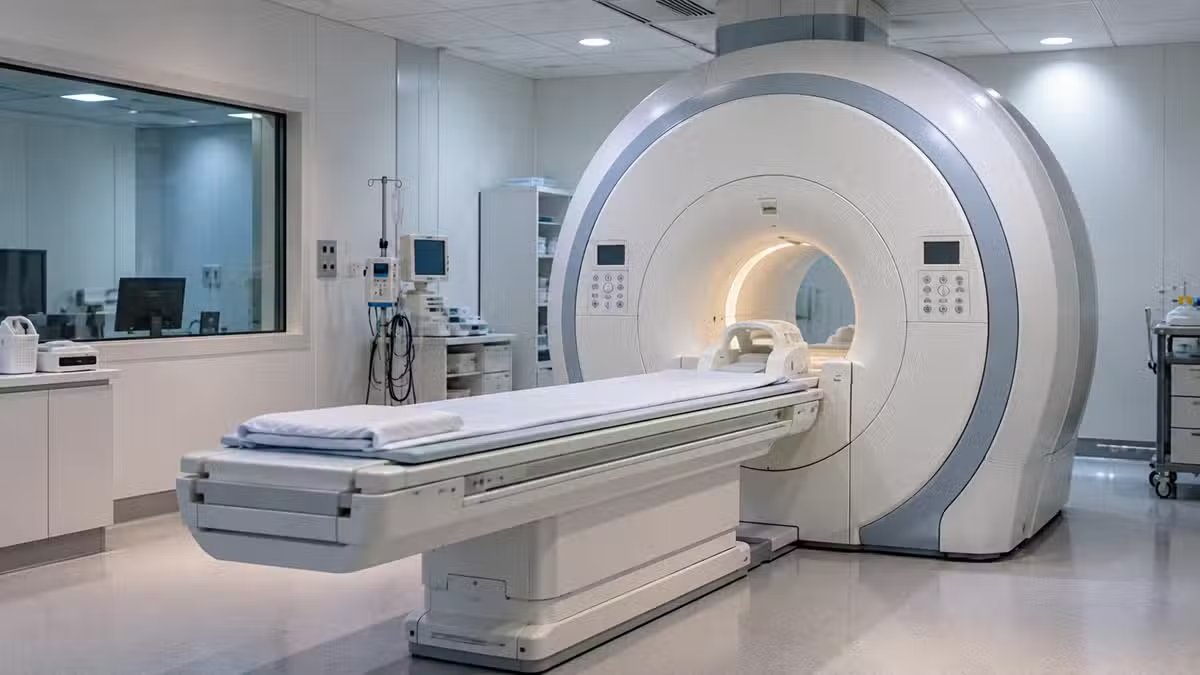
The meeting also sanctioned outsourcing diagnostic services at major hospitals, including Jinnah Postgraduate Medical Centre (JPMC) and Chandka Medical College Hospital (CMCH), to improve patient care through private-sector investment in MRI, CT scan, and digital radiology technology.
In environmental initiatives, the Sindh government approved a riverine forestation project covering 41,000 hectares in Jamshoro and Matiari districts to combat climate change and restore forest cover. The initiative is expected to generate up to 40 million carbon credits, contributing to Pakistan’s climate goals and foreign exchange earnings.
Agricultural reforms were also prioritized, with plans to introduce mechanised rice and wheat farming under a rental model for farmers, aiming to boost productivity and efficiency. Additionally, feasibility studies were approved for a tomato cluster processing plant in Thatta and the NED University Science and Technology Park, the first of its kind in Pakistan under a partnership with Kuwait’s Enertech Holding Company.
Chief Minister Murad Ali Shah described these developments as a roadmap for Sindh’s sustainable future, combining innovation, environmental responsibility, and public service reform to transform infrastructure and social services across the province.