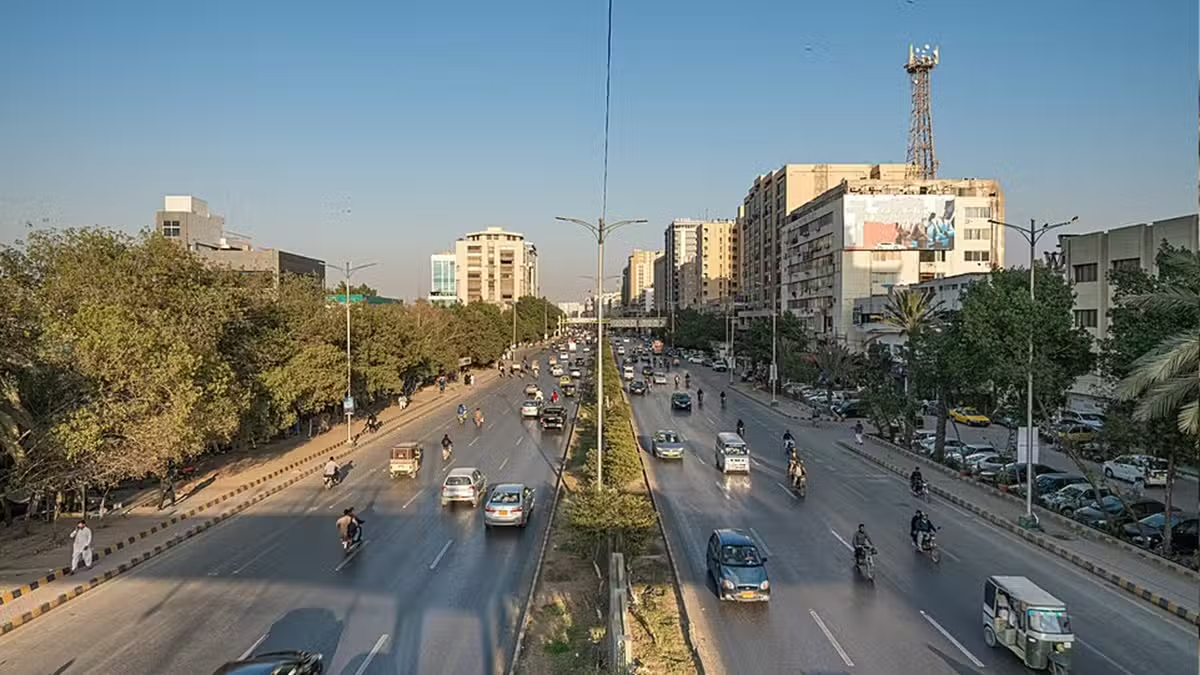
Karachi residents may experience electricity load shedding during evening and nighttime peak hours as K Electric (KE) warns of potential power supply disruptions linked to a shortage of re-gasified liquefied natural gas (RLNG). The utility said the shortage is being driven by international supply disruptions and delayed cargo deliveries affecting electricity generation across Pakistan.
According to the power company, load management may become necessary if the fuel supply situation worsens. However, K-Electric described the measure as a last resort and indicated that electricity supply during daytime hours is expected to remain largely stable.
The warning comes as the nationwide RLNG constraint affects power generation in multiple areas, including K-Electric’s service territory. The availability of natural gas is an important factor in electricity production at gas-fired power plants, making supply disruptions a potential challenge for utilities during periods of high demand.
K-Electric Warns of Possible Peak-Hour Power Cuts
K-Electric spokesperson Imran Rana shared the company’s position in a post on X, explaining that load management could be introduced during evening and nighttime peak hours if necessary.
The spokesperson attributed the potential restrictions to a nationwide RLNG shortage caused by international supply disruptions and delayed cargo arrivals. He also emphasized that load management would be considered only as an extreme measure if other options proved insufficient.
The announcement does not confirm that scheduled power cuts will occur across Karachi. Instead, it signals that the utility may take action depending on the severity of the fuel shortage and its impact on electricity generation.
For residents, this means that electricity availability during peak hours could depend on developments in the national gas supply situation. Further updates from K-Electric will be important for understanding whether restrictions become necessary and which areas, if any, could be affected.
Why RLNG Shortages Can Affect Electricity Supply
Re-gasified liquefied natural gas, commonly known as RLNG, is produced by converting imported LNG back into gas for use in power generation and other sectors. Disruptions in international deliveries can reduce the fuel available to power plants that depend on these supplies.
When fuel availability falls, electricity generation may come under pressure, particularly when demand rises. Evening and nighttime periods can present additional challenges for power utilities as households and businesses use electricity for lighting, cooling, appliances, and other needs.
K-Electric’s warning reflects these concerns, with the company indicating that any load management would depend on the prevailing supply conditions. The situation also highlights how international energy market disruptions can affect electricity availability in Pakistan.
However, the extent of any impact on Karachi will depend on the duration of the RLNG shortage, available generation capacity, electricity demand, and the utility’s ability to manage its supply resources.
Daytime Electricity Supply Expected to Remain Largely Stable
K-Electric has said daytime electricity supply will remain largely stable despite the nationwide RLNG constraint. This distinction suggests that the immediate concern is focused on periods when demand and available generation may create additional pressure on the power system.
Residents should note that the company’s statement does not guarantee uninterrupted electricity throughout the day or confirm specific hours of load shedding. It indicates the utility’s current expectation while leaving open the possibility of load management during peak periods.
Consumers can follow official K-Electric announcements for information about any changes to electricity supply. Checking the utility’s latest updates may help households and businesses prepare if restrictions become necessary.
What Karachi Residents Should Know
At this stage, K-Electric has warned of possible load management rather than announced a confirmed citywide schedule of power cuts. The company has linked the potential measure to fuel supply constraints affecting electricity generation across the country.
The duration of the RLNG shortage and the timing of delayed cargo deliveries will be important factors in determining how the situation develops. Any improvement in fuel availability could ease pressure on generation, while continued disruptions may increase the risk of supply restrictions during high-demand periods.
For now, Karachi residents should monitor official announcements and remain alert to updates regarding evening and nighttime electricity supply. The utility’s latest guidance will provide a clearer picture of whether the warning leads to actual load management and how any measures may affect consumers.