
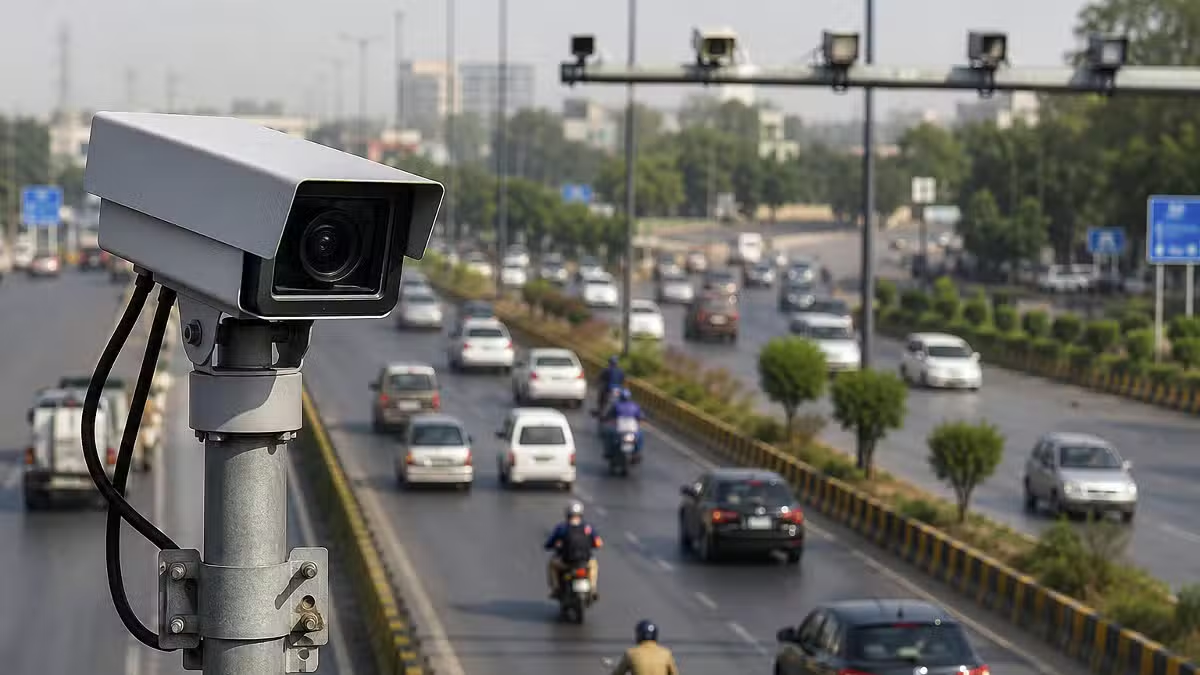
Karachi’s electronic traffic challan system has issued nearly 2 million traffic violation tickets during its first year of operation, generating more than Rs. 5 billion in fines. The initiative has also contributed over Rs. 2 billion to the national exchequer, highlighting the financial impact of the city’s digital traffic enforcement system.
According to traffic police officials, the system issued a total of 1.947 million electronic challans during the reporting period. The authorities also waived approximately Rs. 3 billion in fines, while more than Rs. 2 billion was deposited into the national treasury.
The figures reflect the scale of traffic monitoring and enforcement carried out through the electronic challan system since its introduction in Karachi.
The initiative was introduced to improve traffic regulation, identify violations and encourage motorists to follow road safety rules. By using technology to monitor traffic, authorities aim to make enforcement more systematic and reduce dependence on traditional roadside checking.
Karachi E-Challan System Records 1.947 Million Violations
The electronic challan system recorded approximately 1.947 million traffic violations during its first year, according to the traffic police.
The system allows authorities to identify traffic offences and issue electronic fines to vehicle owners. This approach provides a digital mechanism for documenting violations and managing penalties.
The high number of challans reflects the scale of traffic enforcement activity in Pakistan’s largest city. Karachi faces significant road management challenges due to its large population, growing number of vehicles and heavy traffic movement.
Electronic monitoring has provided traffic authorities with an additional method of identifying violations and holding motorists accountable for breaking traffic regulations.
More Than Rs. 5 Billion in Fines Generated
The system generated more than Rs. 5 billion in fines during its first year of operation. However, authorities waived approximately Rs. 3 billion, while collections exceeding Rs. 2 billion were transferred to the national exchequer.
These figures highlight the difference between the total fines generated and the amount actually deposited into government accounts.
The amount collected represents an important financial outcome of the electronic enforcement initiative. At the same time, the waiver of fines accounts for a substantial portion of the penalties issued during the reporting period.
The latest figures have drawn attention to the financial performance of Karachi’s digital traffic enforcement programme and its role in managing road violations.
Digital Traffic Monitoring Aims to Improve Road Discipline
Karachi’s e-challan system is part of broader efforts to modernise traffic management through technology.
Traditional traffic enforcement often depends on officers identifying violations directly on roads. Electronic monitoring provides an additional mechanism that can help authorities record offences and issue penalties through digital processes.
The system is intended to encourage motorists to follow traffic regulations, including applicable speed limits, signal requirements and other road safety rules.
Consistent enforcement can also help create greater awareness among drivers about the consequences of violating traffic laws.
However, the effectiveness of any electronic challan programme also depends on accurate vehicle identification, transparent fine procedures and accessible complaint and appeal mechanisms.
What the E-Challan Figures Mean for Karachi
The issuance of nearly 1.95 million challans within one year demonstrates the extensive use of electronic enforcement in Karachi.
For motorists, the figures highlight the importance of following traffic regulations and regularly checking their vehicle-related records to avoid outstanding penalties.
For authorities, the system provides an opportunity to improve traffic monitoring, strengthen enforcement procedures and encourage responsible driving behaviour.
As Karachi continues to face traffic congestion and road safety challenges, technology-based enforcement is expected to remain an important part of the city’s traffic management efforts.
The first-year figures provide an overview of the system’s reach, with more than Rs. 5 billion in fines generated and over Rs. 2 billion deposited into the national exchequer.