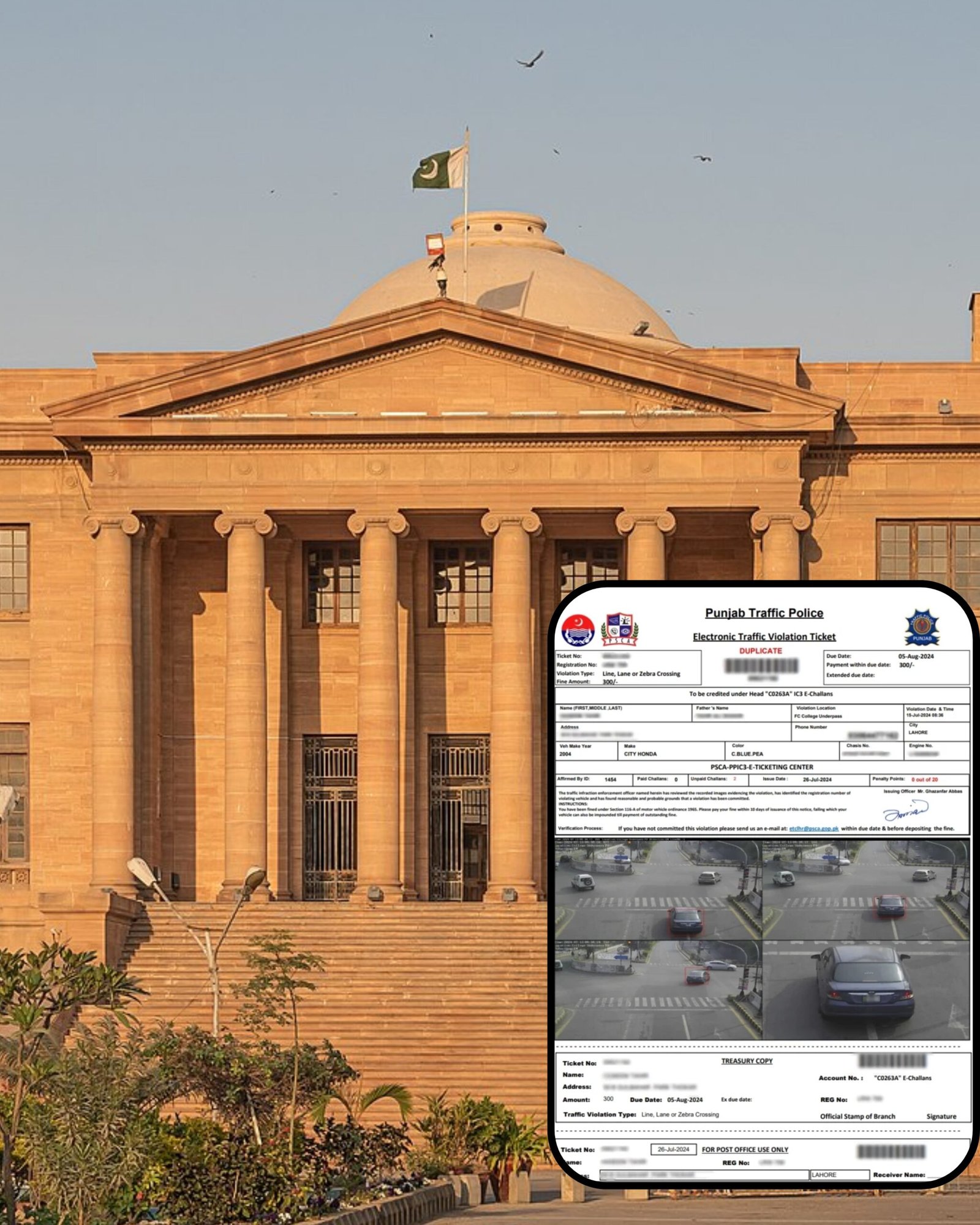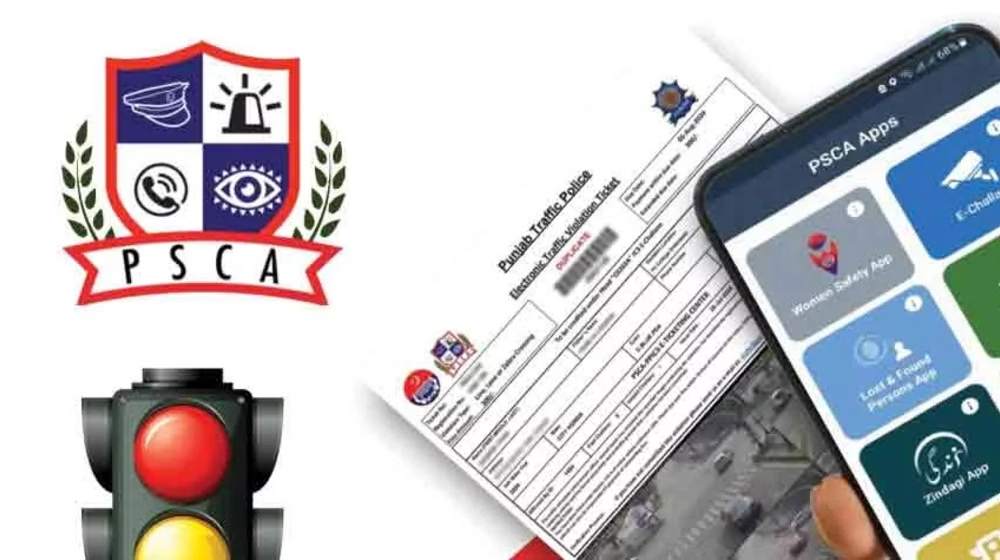
The Punjab Safe Cities Authority (PSCA) has launched a convenient online portal that allows citizens to cancel wrongly issued traffic challans — such as duplicate or system-generated violations — without needing to visit any PSCA office or stand in long queues.
The new digital service is part of the PSCA’s broader effort to simplify e-challan management and improve citizen convenience through digital transformation.
How the New Online Challan Cancellation Works
According to the PSCA, if a motorist receives multiple challans for the same offense or a duplicate entry caused by technical errors, they can now submit a correction request directly from their mobile phone or computer.
To do this, users simply need to visit the official PSCA e-Challan Portal, enter their vehicle’s registration details, and upload supporting evidence such as a screenshot of duplicate challans, payment proof, or other relevant documents.
Once submitted, the PSCA’s verification team will review the request and notify the applicant about the status of the cancellation via email or SMS.
No Office Visit Needed
Previously, citizens had to visit PSCA counters or traffic police offices to contest or cancel erroneous challans — often requiring long waiting hours and paperwork. The new digital cancellation feature eliminates that hassle completely, allowing the process to be handled entirely online.
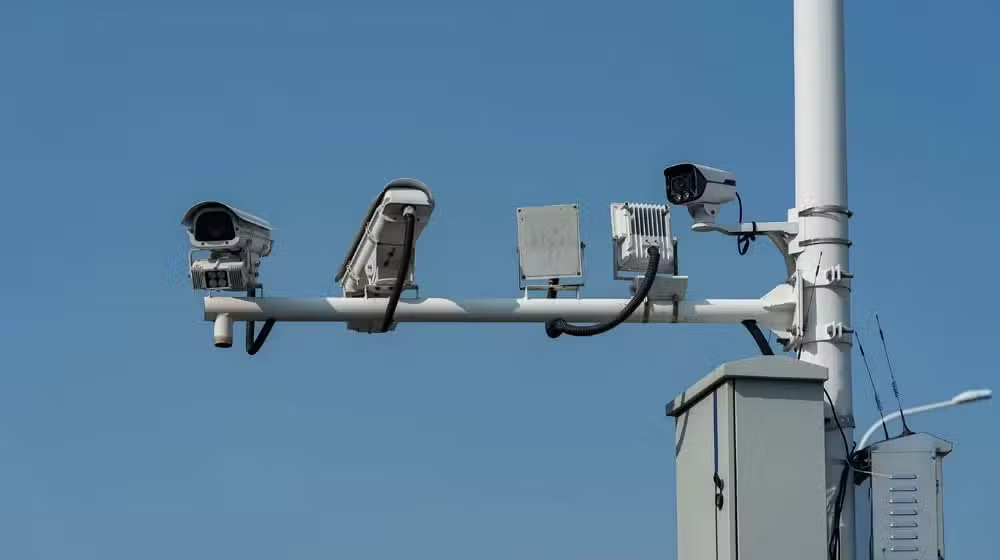
The initiative reflects Punjab’s continued push toward e-governance, with the PSCA already operating advanced digital systems for traffic surveillance, enforcement, and city safety across major urban centers.
Encouraging Transparency and Efficiency
Officials at PSCA stated that the online portal aims to make the e-challan process more transparent, efficient, and user-friendly, reducing manual intervention and ensuring accuracy in automated systems.
Motorists are encouraged to regularly check their challan status online and promptly report any discrepancies using the new system to prevent unnecessary penalties.
The initiative represents another step forward in the digital modernization of Punjab’s traffic management system, promoting convenience, accountability, and smarter urban governance.